Ontario's Prison Expansion Plan Draws Fire from Abolitionist Academic
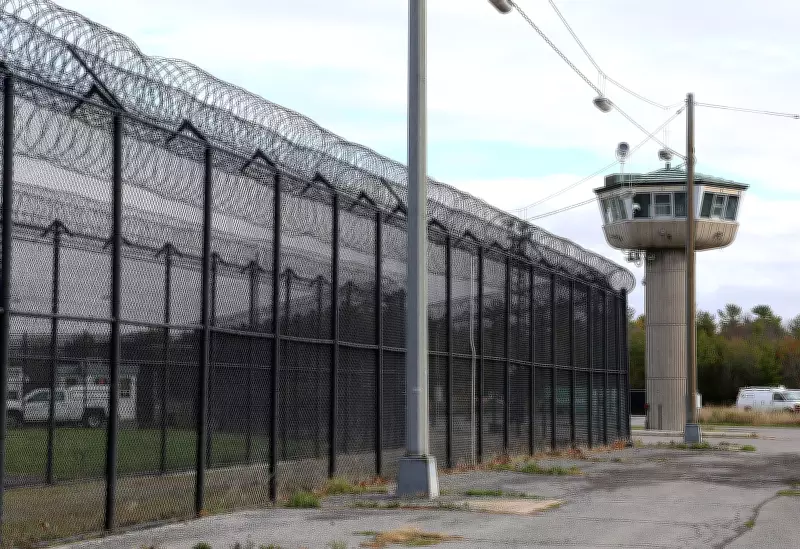
The Ford government's ambitious strategy to significantly increase prison capacity in Ontario is encountering sharp criticism from a prominent academic who supports the complete abolition of jails. Professor Justin Piché, a criminology expert at the University of Ottawa, has voiced strong opposition to the plan, which aims to add 6,000 new prison beds by the year 2050.
Academic Warns Against Costly and Ineffective Approach
In a recent interview with The Canadian Press, Piché expressed astonishment at the scale of the proposed expansion, stating, "When I saw the numbers, my jaw hit the floor. This is an unprecedented increase in jail capacity." He argued that imprisonment is the most expensive and least effective method for enhancing community safety and well-being. Piché emphasized that the billions of dollars allocated for this project could be better spent on alternative social programs.
Activist Background Sparks Debate Over Neutrality
While often cited in media as an expert on prison policy, Piché is also a dedicated activist within the global movement to abolish prisons. He co-authored the book "How to Abolish Prisons: Lessons from the Movement against Imprisonment," where he contends that prisons perpetuate racism and colonialism. Critics, including columnist Brian Lilley, question his objectivity, labeling him a committed leftist whose views are driven by ideology rather than neutral analysis. Lilley points out that Piché is a member of the Coalition Against Proposed Prisons and advocates for releasing inmates rather than expanding facilities.

Government Defends Expansion as Necessary for Safety
Premier Doug Ford has defended the expansion plan, citing Ontario's rapidly growing population and the current overcrowding in jails. He noted that judges often release repeat violent offenders due to lack of space, compromising public safety. "Those billions of dollars are well invested to keep our communities safe," Ford asserted. The government argues that while hundreds of new schools and hospitals have been built in recent years, prison infrastructure has not kept pace, making this expansion a critical step.
Broader Implications for Criminal Justice Policy
This controversy highlights a deep divide in criminal justice approaches. On one side, abolitionists like Piché push for radical reforms to eliminate prisons, viewing them as inherently flawed institutions. On the other, the government maintains that expanding capacity is essential to address practical challenges and uphold law and order. As Ontario moves forward with its plans, the debate is likely to intensify, with implications for funding, public safety, and the future of incarceration in Canada.