Rental Company Charged in Fatal 2024 Tent Collapse at Alberta Buddhist Retreat
A rental company is now facing legal charges after a tragic incident at the Westlock Meditation Centre in Alberta, where a tent collapse during a severe storm in 2024 resulted in one fatality and multiple injuries. The event, which occurred near the town of Busby, has drawn significant attention to safety standards and accountability in temporary structure rentals.
Details of the Incident
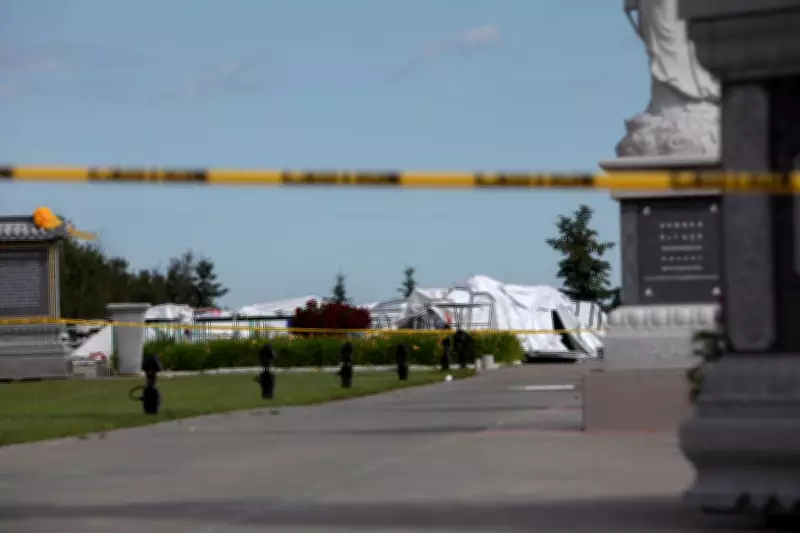
On August 1, 2024, a massive storm swept through the area, causing a large tent at the Buddhist retreat to collapse. The structure, which was being used for meditation activities, was completely ruined, leaving one person dead and others with injuries. Emergency responders rushed to the scene to provide aid and assess the damage, highlighting the sudden and devastating nature of the event.
The charges against the rental company stem from allegations of negligence or failure to adhere to safety protocols, though specific details of the charges have not been fully disclosed. Authorities have been investigating the collapse to determine the exact causes and whether proper precautions were taken given the weather conditions.

Impact on the Community
The Westlock Meditation Centre, known for its peaceful environment and spiritual practices, was deeply affected by the tragedy. Community members and retreat participants have expressed shock and grief over the loss, with many calling for stricter regulations on temporary structures to prevent similar incidents in the future.
This case underscores broader concerns about safety in outdoor events and retreats, especially in regions prone to extreme weather. Experts suggest that rental companies and event organizers must prioritize robust construction and weather preparedness to protect attendees.
Legal and Safety Implications
As the legal proceedings unfold, this incident may set a precedent for how rental companies are held accountable for accidents involving their equipment. It also raises questions about insurance coverage and liability in such scenarios, potentially influencing industry standards across Canada.
In response, some advocacy groups are pushing for enhanced safety inspections and mandatory training for companies that provide tents and similar structures. They argue that proactive measures could save lives and reduce the risk of catastrophic failures during storms or other adverse conditions.
The outcome of this case will be closely watched by both the rental industry and public safety officials, as it could lead to new guidelines or legislation aimed at improving oversight and preventing future tragedies at events and retreats nationwide.