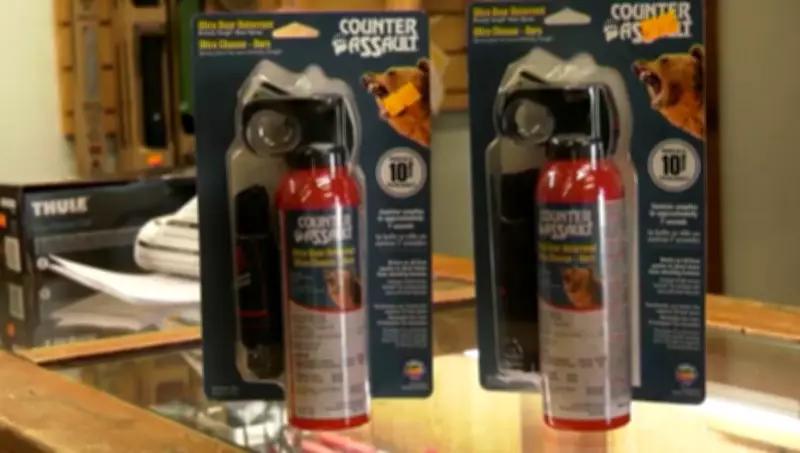
Saskatoon Business Charged with Unlawfully Selling Bear Spray
A business operating in Saskatoon is now facing serious legal repercussions after being charged with the unlawful sale of bear spray, a product typically intended for wildlife defense but increasingly misused in urban contexts. The charges underscore growing concerns among law enforcement and community leaders about the improper distribution of such restricted items.
Details of the Charges
The specific allegations involve the business selling bear spray without adhering to the necessary legal protocols and regulations that govern its sale. Bear spray, which contains potent chemicals like capsaicin, is designed for use against aggressive wildlife, particularly in outdoor settings. However, its potential for misuse in criminal activities has prompted stricter oversight.
Authorities have not disclosed the name of the business or the exact circumstances leading to the charges, but they emphasize that this case is part of a broader initiative to crack down on the illegal trade of items that can pose public safety risks. The investigation is ongoing, and further details may emerge as the legal process unfolds.

Broader Implications for Public Safety
This incident highlights a significant issue in many communities: the accessibility of bear spray and similar products through unauthorized channels. Law enforcement agencies have noted an uptick in cases where bear spray has been used in assaults or other criminal acts, rather than its intended purpose of wildlife deterrence.
In response, there have been calls for enhanced regulations and better enforcement to prevent such items from falling into the wrong hands. The charges against the Saskatoon business serve as a reminder of the importance of compliance with existing laws to protect public welfare.
Community and Legal Reactions
Local residents and business owners have expressed mixed reactions to the news. Some are concerned about the potential dangers associated with the illegal sale of bear spray, while others stress the need for balanced regulations that do not unduly burden legitimate users, such as hikers and outdoor enthusiasts.
Legal experts point out that convictions in such cases can result in substantial fines and other penalties, depending on the severity of the violations. The outcome of this case could set a precedent for how similar incidents are handled in the future, influencing both enforcement strategies and business practices.
As the situation develops, authorities are urging the public to report any suspicious sales or misuse of bear spray to help maintain community safety. This case underscores the ongoing challenges in regulating products that straddle the line between legitimate use and potential abuse.