The Supreme Court of Canada is set to hear a landmark case with profound implications for public trust and governmental accountability, stemming from the controversial WE Charity scandal. The hearing, scheduled for a future date, will scrutinize actions surrounding the now-defunct agreement that sparked a national political firestorm.
The Core of the Controversy
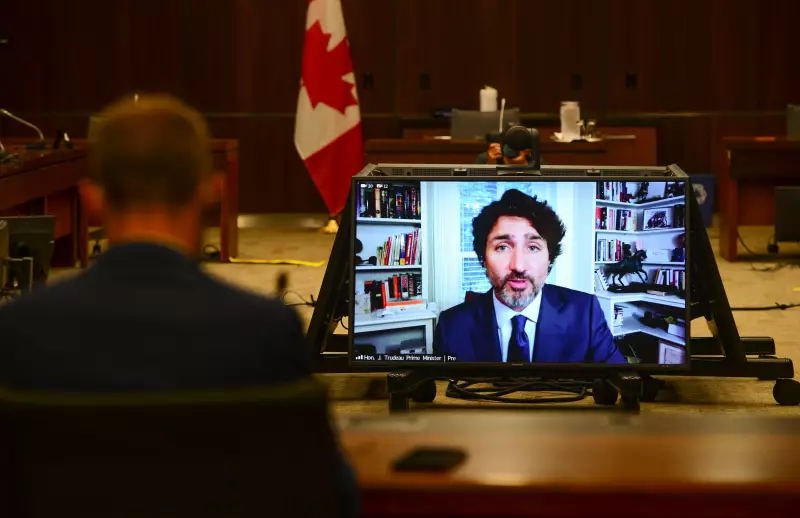
At the heart of the legal challenge is the federal government's decision in 2020 to award a sole-source contract to administer the $912 million Canada Student Service Grant (CSSG) to the WE Charity organization. The case questions the boundaries of administrative law and the standard of "everyday justice" available to citizens when challenging state decisions. Former Prime Minister Justin Trudeau and his family's prior connections to the charity became a central focus during parliamentary investigations, including his testimony before the House of Commons finance committee on July 30, 2020.
Defining 'Everyday Justice' for Citizens
Legal experts argue this Supreme Court hearing transcends the specific details of the WE contract. It represents a critical test for the legal mechanisms ordinary Canadians can use to hold powerful institutions accountable. The principle of "everyday justice" refers to the accessibility and effectiveness of judicial review for citizens who believe a government process has been unfair or tainted by apparent bias. The court's ruling will establish important precedents on the duty of fairness owed by the executive branch during high-stakes spending decisions.

Broader Implications and National Context
The WE Charity scandal dominated national headlines for months, leading to multiple ethics commissioner investigations and eroding public confidence. The Supreme Court's involvement marks a significant escalation, moving the issue from the political arena to the constitutional realm. Its decision will provide a definitive legal interpretation of the events and set guidelines for future similar cases. This hearing is being closely watched by political scientists, constitutional lawyers, and advocacy groups across the country, who see it as a barometer for the strength of Canada's democratic oversight frameworks.
As the highest court prepares to weigh in, the outcome will resonate far beyond Ottawa, shaping how transparency and accountability are legally enforced in Canadian public administration for years to come.