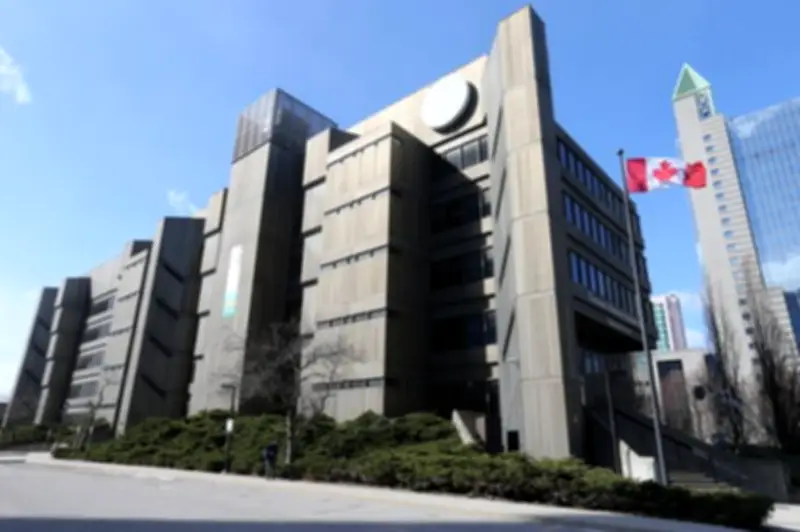
The Toronto District School Board (TDSB) is facing sharp criticism for what critics describe as a policy that tolerates assault while punishing victims who defend themselves. Kevin Vuong, a former Member of Parliament for Spadina-Fort York, outlines the case of a seven-year-old boy who has been repeatedly attacked by a classmate since January 2026, yet the board has warned the victim that he will face consequences if he fights back.
Repeated attacks on a seven-year-old
According to the boy’s family, the first incident occurred on Jan. 23, when another child threw the boy to the ground, punched him four times in the back of the head, and stood over him asking, “Have you had enough, or do you want some more?” The assailant is also in Grade 2.
Four days later, the same child sought out the victim to swear at him by name. On Feb. 23, an unprovoked kick occurred while children were lining up. On March 11, a hard object was hurled at the boy’s face while he was reading, striking him above the eye and raising a welt on the orbital bone. On March 25, he was hit in the stomach from behind while standing at bat.

Through every attack, the boy never retaliated. He has told his parents, his family doctor, and the principal that he no longer feels safe. Recess, once his favourite time, is now spent actively avoiding his assailant.
Board’s response: warnings for the victim, patience for the bully
The boy’s mother reports that the principal explained the other child already receives maximum resources, including a full-time adult aide. The superintendent echoed this when the family escalated. The only new measure, after multiple incidents and conversations, was to route the aggressor through a different door at recess.
“The child throwing the punches is handled through what the board calls ‘progressive discipline.’ They are provided with understanding, context, and a graduated series of infinite second chances,” Vuong writes. “But the mother of the boy being punched was told plainly: If her son ever raised a hand to protect himself, he would face zero tolerance.”
Vuong notes that the aggressor gets “sympathy, literal hugs, and story time,” while the victim is warned not to defend himself.
Wider impact: other families come forward
Quietly, at least four other families have told the victim’s mother that their own children have been hurt by the same child. This suggests a pattern of one child repeatedly targeting multiple students.
“Supporting him and protecting everyone else are not opposing goals, but, right now, the board is achieving neither,” Vuong says.
The case has broader implications for self-defence rights in Canada. A private member’s bill before the House of Commons would, for the first time in years, declare that someone facing an intruder in their home is presumed to have acted reasonably. Vuong argues that Canada’s legal culture tends to scrutinize those who fight back as harshly as those who attack, and a seven-year-old is learning that lesson in real time.
Call for action
Vuong, a former MP and current senior fellow at the Macdonald-Laurier Institute, urges the TDSB to develop a proper solution over the summer. “With the school year about to end, the school and the board have the time to develop a proper solution because ‘we’re doing our best’ plainly isn’t. These children, first and foremost the victims and, yes, even the assailant, deserve better.”