In a recent development highlighting tensions between municipal law enforcement and federal policy, Toronto Police are demonstrating limited participation in the Liberal government's national firearm buyback program. This initiative, designed to remove certain firearms from circulation, appears to be receiving scant attention from officers on the ground in Canada's largest city.
Police Priorities and Public Safety Concerns
According to political commentary from Sun columnist Brian Lilley, Toronto law enforcement officials have shown little enthusiasm for implementing the federal buyback scheme. The program, which aims to compensate gun owners for surrendering prohibited firearms, is reportedly viewed by many officers as a low priority compared to more immediate public safety demands.
This apparent disconnect raises questions about the practical implementation of federal firearms policy at the municipal level. While the Liberal government has positioned the buyback as a crucial component of its gun control strategy, local police forces may be allocating resources elsewhere, focusing on active crime prevention rather than administrative collection programs.

Historical Context and Current Challenges
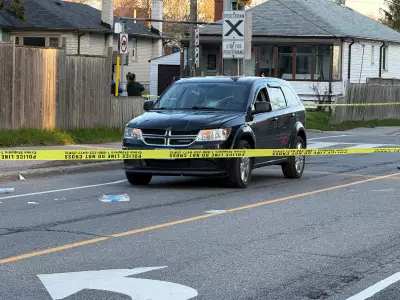
The relationship between federal firearms legislation and local enforcement has long been complex in Canada. Toronto Police have previously dealt with numerous firearm-related incidents across the city, including a notable homicide in the Finch and Islington area in 2017. Such events underscore the ongoing challenges of gun violence in urban centers.
Critics of the buyback program argue that it primarily affects law-abiding gun owners while doing little to address illegal firearms trafficking or criminal use. Supporters counter that reducing the overall number of firearms in circulation represents a meaningful step toward enhanced public safety.
Broader Implications for Gun Policy
The reported disinterest from Toronto Police highlights potential implementation gaps in federal initiatives. When local law enforcement agencies don't fully engage with national programs, the effectiveness of those policies may be compromised, regardless of their theoretical merits.
This situation also reflects broader debates about resource allocation within police departments. With limited personnel and funding, law enforcement agencies must constantly prioritize which programs receive attention and which are deprioritized in favor of more immediate concerns.
As discussions about gun control continue across Canada, the response from frontline officers in major cities like Toronto will likely influence both public perception and practical outcomes. The disconnect between policy creation and implementation serves as a reminder that well-intentioned programs require buy-in at all levels to achieve their intended results.