From Toronto's Antisemitism to Miami's Jewish Pride: A Personal Journey
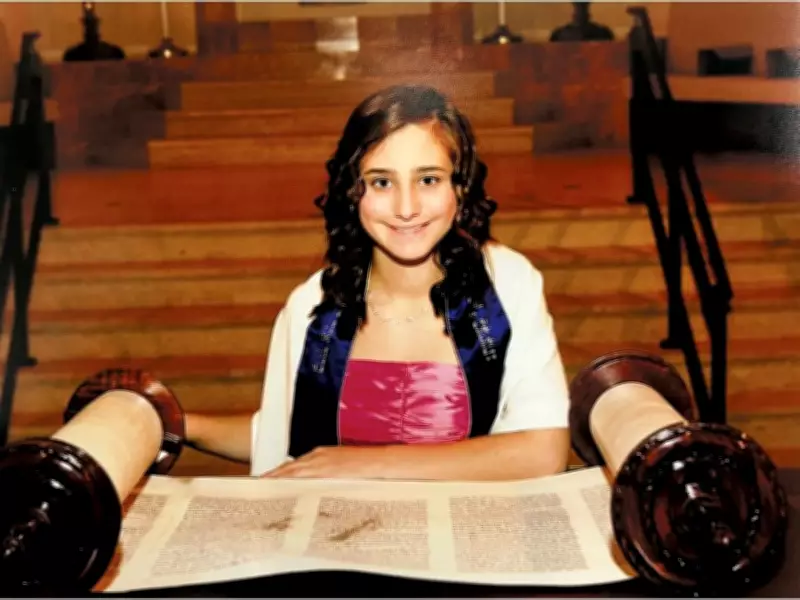
In a Miami cafe, Aedan O'Connor receives a video from a friend showing her childhood synagogue, Holy Blossom Temple in Toronto, during Passover celebrations. The scene is jarring: eight police vehicles, including a K-9 unit and two SWAT teams, stand guard outside the place where she grew up attending services, Hebrew school, and proudly chanting from the Torah as a Bat Mitzvah. This heavy security has become necessary for Jewish communities to celebrate their traditions in Toronto.
The Contrasting Realities
The moment is interrupted by a stranger with a thick Cuban accent complimenting O'Connor's enormous Star of David necklace. This juxtaposition crystallizes her reality: that was life in Toronto, and this is life in Miami. For O'Connor, moving to Florida represents the best decision of her life, allowing her to escape what she describes as Canada's cultural decline regarding antisemitism.
Born in 1996 in what seemed like an idyllic Toronto, O'Connor recalls that being Jewish was neither stigmatized nor celebrated during her childhood. Her parents gave her an intentionally non-Jewish name in hopes it would protect her if widespread antisemitism ever returned. While there were occasional incidents of bigotry—including uncomfortable comments about Jews from extended family members and friends experiencing coin-throwing at school evoking anti-Semitic stereotypes—these were not frequent enough to cause major concern.

University Experiences and Campus Harassment
The situation changed dramatically during her university years at Ryerson University (later renamed Toronto Metropolitan University). When a friend proposed establishing a Holocaust education week at a Ryerson Student Union meeting, Student Union President Obaid Ullah led a protest walkout with members of the Muslim Students' Association and Students for Justice in Palestine to prevent quorum. Jewish students in the meeting faced harassment, threats, and were forced to leave.
Determined to bring attention to the issue, O'Connor spent the night reaching out to reporters, successfully getting the story covered. The backlash was severe: a neo-Nazi online publication doxed her name and photo, suggesting she should be made into a lampshade—a horrifying reference to Holocaust atrocities.
While Ryerson University eventually instituted Holocaust education week and proclaimed support for the Jewish community, the student union president faced no consequences. Months later, another scandal emerged when it was revealed that teaching assistant and part-time imam Ayman Elkasrawy had preached 'Death to Jews' in his sermons. O'Connor and a friend responded by posting his face and quotes around campus, only to have security remove them as 'too controversial.' Elkasrawy was eventually terminated by the university.
Finding Acceptance in Florida
For O'Connor, these experiences—combined with increasing hate crimes, campus harassment, and the need for SWAT teams to guard synagogues—demonstrated what she sees as Canada's cultural decline regarding Jewish safety and acceptance. In contrast, her life in Miami represents a different reality where Jewish identity is celebrated rather than threatened.
The journey from Toronto to Miami has been transformative, allowing O'Connor to live with Jewish pride rather than fear. Her story highlights the growing concerns about antisemitism in Canadian cities while illustrating how relocation can provide opportunities for cultural and religious expression without constant security concerns.