Trump-Pardoned January 6 Rioter Sentenced to Life for Child Sex Crimes in Florida
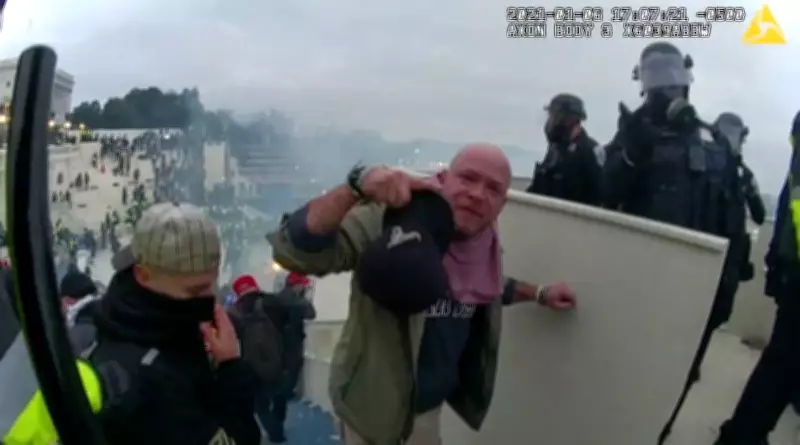
A man who participated in the January 6, 2021, attack on the U.S. Capitol and later received a presidential pardon from Donald Trump has been handed a life sentence for sexually assaulting two children in Florida. Andrew Paul Johnson, whose involvement in the Capitol breach was documented through police body camera footage, faced justice this week in a Florida courtroom for separate, heinous crimes against minors.
From Political Pardon to Permanent Incarceration
Johnson's legal trajectory took a dramatic turn from the political arena to the criminal justice system. After being captured on video during the riot at the Capitol's Lower West Terrace, he benefited from a pardon issued by former President Trump, which absolved him of federal charges related to the insurrection. However, that clemency did not shield him from state-level prosecution for unrelated offenses.
The Florida case, which concluded with a life sentence, centered on allegations that Johnson molested two children. Prosecutors presented compelling evidence that led to his conviction, highlighting the severity of the crimes and the lasting impact on the young victims. The sentencing judge emphasized the predatory nature of the acts and the need for permanent removal from society to prevent further harm.

A Contrast in Legal Outcomes
This case underscores the complex interplay between federal pardons and state criminal proceedings. While a presidential pardon can forgive federal crimes, it holds no power over state charges, allowing local authorities to pursue justice independently. Johnson's life sentence in Florida stands in stark contrast to the pardon that once freed him from consequences for his role in the Capitol riot.
Legal experts note that such scenarios are rare but illustrate the limitations of executive clemency. "A pardon may wipe the slate clean for federal offenses, but it doesn't erase accountability for state crimes," explained a criminal law professor. "This sentence sends a clear message that serious violations of state law will be met with the full force of the justice system."
Broader Implications and Public Reaction
The case has sparked renewed debate over the use of presidential pardons, particularly for individuals involved in the January 6 insurrection. Critics argue that pardoning rioters undermines accountability, while supporters of the pardon power defend it as a constitutional prerogative. Johnson's subsequent conviction for child molestation has added a moral dimension to the discussion, with many expressing outrage that a pardoned rioter went on to commit such grave offenses.
Community members in Florida have expressed relief at the life sentence, hoping it brings some closure to the affected families. "Justice has been served for these children," said a local advocate for victims' rights. "No one should be above the law, regardless of their political connections or past pardons."
As Johnson begins his life behind bars, the case remains a poignant example of how legal systems at different levels can intersect, ultimately ensuring that those who commit egregious crimes face appropriate consequences.