UK High Court Deems Palestine Action Terror Ban Unlawful, Upholds Free Speech
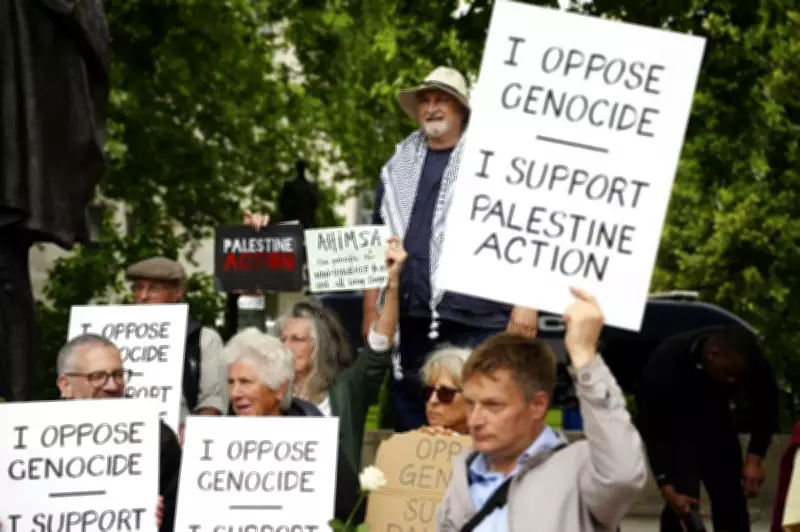
In a landmark decision, Britain's High Court has ruled that the government's designation of the protest group Palestine Action as a terrorist organization was unlawful. The ruling, delivered on February 13, 2026, found the ban to be disproportionate, marking a significant moment in the ongoing debate over free speech and protest rights in the United Kingdom.
Court's Rationale and Legal Implications
Judges Victoria Sharp, Jonathan Swift, and Karen Steyn stated that "the nature and scale of Palestine Action's activities" did not meet the threshold required for proscription under anti-terrorism laws. They emphasized that the group's actions, while including instances of vandalism, lacked the "level, scale and persistence" to justify such a severe classification. The court upheld that the decision was an overreach, infringing on fundamental freedoms.
However, the ban remains in effect temporarily, as the government is expected to appeal. Lawyers for both sides have until February 20 to prepare for a subsequent hearing, leaving the legal status of the group in limbo. The Metropolitan Police has indicated that while arrests for mere expressions of support will halt, evidence collection for potential future enforcement will continue.

Background of the Ban and Group Actions
The controversy stems from June 2025, when the government imposed the ban after members of Palestine Action broke into a Royal Air Force base and vandalized two planes. The group argued that Britain was complicit in conflicts in Gaza, alleging military support for actions they labeled as war crimes. This incident led to clashes with police during protests in London, highlighting the tensions surrounding the issue.
Since its formation in 2020, Palestine Action has targeted facilities owned by Israeli weapons manufacturer Elbit Systems UK, causing millions of pounds in damage. Officials claim these actions threaten national security, but the court noted that existing criminal laws are sufficient to address such offenses without resorting to terrorism proscription.
Reactions from Key Figures
Huda Ammori, co-founder of Palestine Action, hailed the ruling as "a monumental victory" for free speech and Palestinian rights, calling the ban an extreme attack on democratic freedoms. In contrast, Home Secretary Shabana Mahmood expressed disappointment, asserting that the ban does not impede peaceful protest and vowing to challenge the judgment in the Court of Appeal.
The case has sparked widespread debate, with over 2,700 arrests related to support for the group since the initial ban. As the legal battle unfolds, it underscores the delicate balance between security concerns and the protection of civil liberties in modern democracies.