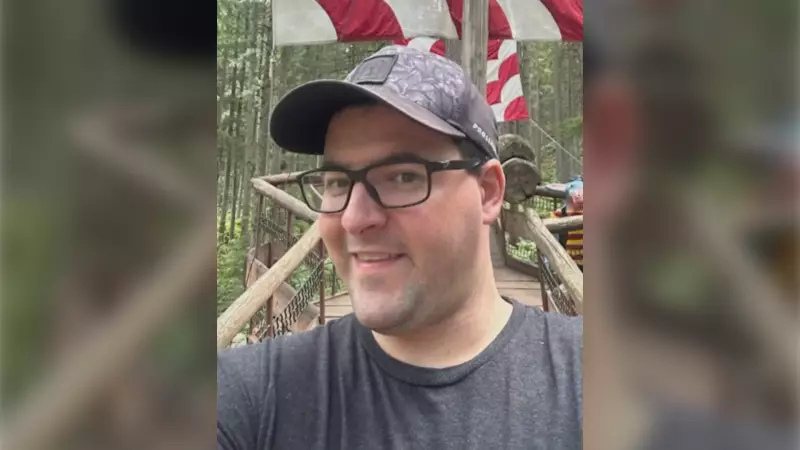
In a startling courtroom revelation, Vancouver murder suspect James Plover has declared that his assault sentence carries little significance when measured against the personal torment he inflicts upon himself. The statement came during recent proceedings that have captured public attention across British Columbia.
The Courtroom Declaration
James Plover, whose image has circulated on social media platforms including Facebook, made the unexpected comment while addressing the court regarding his assault charges. The suspect explicitly stated that his legal punishment "doesn't matter" when compared to his own methods of self-torture, though he provided no specific details about what this personal suffering entails.
The case has developed against a backdrop of multiple high-profile legal matters across Canada, including the Liberals clearing a high-stakes confidence vote to pass the federal budget and avoid a holiday election. However, Plover's remarks have drawn particular attention for their unusual nature and psychological implications.

Broader Legal Context
Plover's case emerges during a period of significant legal activity nationwide. Ontario Premier Doug Ford has announced plans to make parts of the sex offender registry public, while police have issued warnings about a sex offender with a history of targeting children moving to Vancouver.
Meanwhile, British Columbia Premier David Eby has called on Ottawa to be "relentless and remorseless" in pursuing economic growth, creating a complex landscape where criminal justice intersects with broader political and social concerns.
The timing of Plover's statement coincides with other serious criminal sentences being handed down across the country, including a life sentence for what was described as an "extremely violent" fatal stabbing in Spryfield.
Psychological and Legal Implications
Legal experts are examining the potential implications of Plover's statement for his case. The remark about self-torture raises questions about mental state and remorse, factors that often influence sentencing outcomes in Canadian courts.
The case continues to unfold as Vancouver police maintain their vigilance regarding public safety concerns, particularly in light of recent announcements about offenders relocating to the area. Public attention remains focused on how the justice system will navigate the complex interplay between criminal responsibility, psychological factors, and appropriate sentencing.
As the legal process moves forward, observers await further developments in a case that highlights the intricate relationship between self-perception and judicial accountability in Canada's justice system.