Vancouver Assault Victim Blocked from Suing Youth as Police and Court Withhold Name
A Vancouver man who suffered severe injuries in a violent attack by a group of teenagers has been thwarted in his attempt to pursue legal action against the suspected perpetrator. This setback stems from the refusal of Vancouver police and the provincial court to reveal the name of the underage youth involved, citing protections under youth criminal justice legislation.
Details of the Violent Incident
Chanjung Kim was brutally assaulted on April 20, 2024, when he was targeted by three male and two female youths. The attack involved pepper-spray being directed at his head and neck, followed by a knife wound to his right hand. According to a ruling from the B.C. Provincial Court in Vancouver, the knife slash was so deep that it severed tendons and caused arterial bleeding, necessitating immediate application of a tourniquet at the scene and subsequent emergency surgery at a hospital.
Investigation and Legal Hurdles
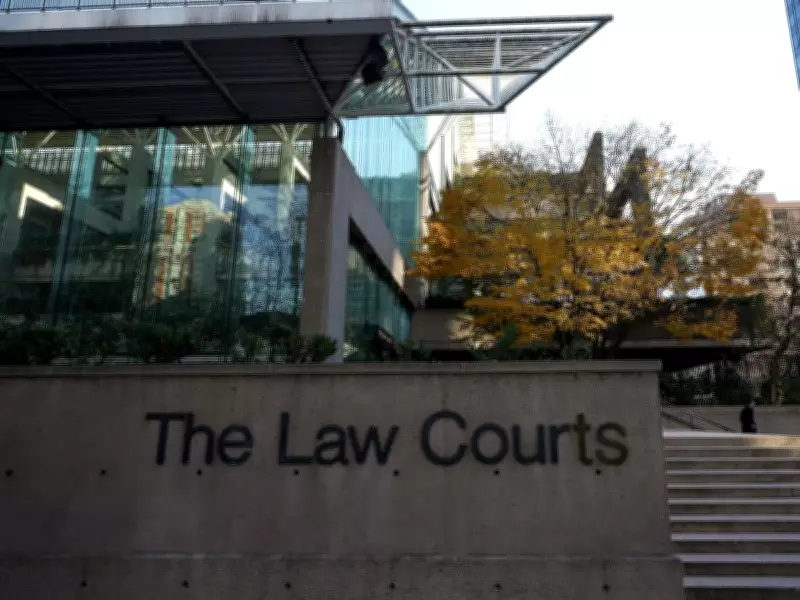
Vancouver police responded to a 911 call regarding the assault and identified one male and two female suspects. Their investigation, which included reviewing video footage from various sources and conducting witness interviews, led to a recommendation for charges against one of the youths. However, the B.C. Prosecution Service decided not to proceed with prosecution, as noted in the ruling by Judge Jacqueline McQueen.

In an effort to gather evidence for a civil lawsuit, Kim sought access to the police file through the provincial Freedom of Information and Protection of Privacy Act and court applications. He requested documents such as the names of the youths and their guardians, officers' handwritten notes, and witness statements. Despite these efforts, his requests were denied, and he only received a redacted copy of the file last summer, with all identifying information removed.
Court Ruling Upholds Youth Privacy Protections
On December 1, 2025, Kim applied for a court order to compel Vancouver police to produce the unredacted documents. Judge McQueen, in her ruling, emphasized that the federal Youth Criminal Justice Act generally prohibits the identification of young people. This ban is rooted in principles of reduced culpability and heightened vulnerability for minors, aiming to minimize stigma and support rehabilitation, aligning with Canada's commitments under the UN Convention on the Rights of the Child.
While the Act does grant victims the right to access files, McQueen determined that Kim's application did not meet the necessary legal requirements, based on precedents from previous rulings. Consequently, she dismissed the application, effectively barring Kim from obtaining the information needed to sue the youth.
Implications and Reactions
The case highlights the tension between victim rights and youth protections in the criminal justice system. Kim's lawyer has declined to comment on the matter, leaving questions about potential appeals or alternative legal avenues. This incident underscores the challenges faced by assault victims when seeking justice against underage offenders, particularly in jurisdictions with strong safeguards for youth privacy.
As Vancouver continues to grapple with issues of public safety and legal accountability, this ruling may prompt discussions on balancing victim support with the rehabilitation goals for young offenders. The outcome serves as a reminder of the complex interplay between individual rights and societal protections in cases involving minors.