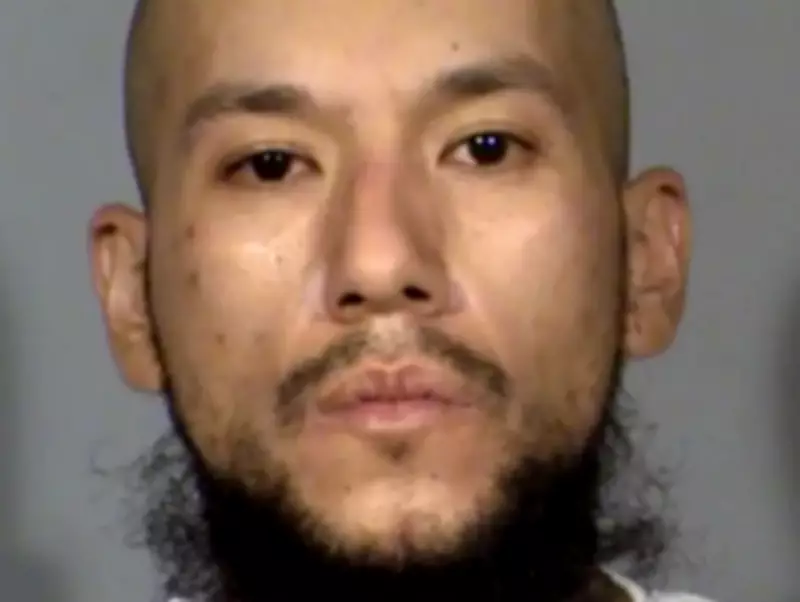
In a dramatic standoff between law enforcement and the judiciary, Las Vegas police officers have openly defied a judge's order to release a career criminal with a lengthy violent history. The confrontation centers on Joshua Sanchez-Lopez, a 36-year-old man with 35 convictions including manslaughter, assault, and multiple drug and auto theft offenses.
Judicial Decision Sparks Police Rebellion
Judge Eric Goodman, whose parents previously served as mayor of Las Vegas, ordered Sanchez-Lopez released with an ankle monitor despite his extensive criminal record. Metro police officials immediately objected, arguing the convicted felon poses too great a danger to community safety. Assistant General Counsel Mike Dickerson stated publicly that electronic monitoring cannot adequately contain someone with Sanchez-Lopez's history of violence and flight risk.
Legal Battle Over Public Safety Priorities
The police department has filed a formal petition challenging Judge Goodman's authority to force the release, claiming compliance would violate Sheriff Kevin McMahill's statutory duty to protect public safety. "There's absolutely competing narratives about public safety occurring in our community," Dickerson told local media. "There are different approaches too."

Sanchez-Lopez was arrested in January on a grand larceny warrant, and police documented his history of ignoring court appearances and skipping court-ordered rehabilitation programs. Despite this pattern, Goodman pressed for release, threatening contempt charges against officers who refused to comply.
Canadian Judicial Comparisons Drawn
The article draws parallels to controversial judicial decisions in Canada, particularly focusing on appointments made during Justin Trudeau's tenure as prime minister. Between 2015 and 2025, nearly 800 judges were appointed to various Canadian courtrooms, with critics arguing some rulings prioritize activist interpretations over public safety considerations.
Tragic Canadian Case Cited
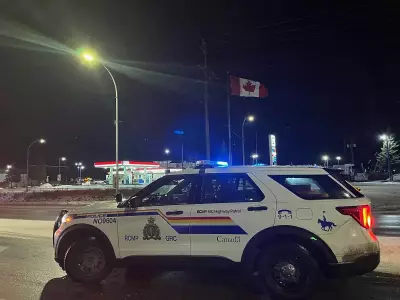
A particularly poignant example involves the December 2022 murder of Ontario Provincial Police Constable Grzegorz Pierzchala. The 28-year-old officer was fatally shot while responding to a vehicle in a ditch near Hagersville. His alleged killer, Randall McKenzie, had been released on bail by a Hamilton judge despite a violent criminal history.
Justice Harrison Arrell acknowledged McKenzie's dangerousness but cited Gladue report considerations regarding Indigenous overrepresentation in the prison system. "I appreciate your concern is not that and all the past violence in his record," Arrell stated during the bail hearing. "But part and parcel of that ... is probably to do with his native background and education opportunities and employment opportunities and poverty." Six months after his release, McKenzie allegedly murdered Constable Pierzchala.
Broader Implications for Judicial Accountability
The Las Vegas confrontation highlights growing tensions between judicial discretion and law enforcement priorities across North America. While U.S. judges face electoral accountability, Canadian jurists enjoy lifetime appointments without similar public oversight mechanisms.
The Sanchez-Lopez case returns to court next week, with his public defender predictably supporting the release order. Meanwhile, Las Vegas police continue their unprecedented challenge, arguing that public safety must override judicial preferences in cases involving demonstrably dangerous individuals with extensive criminal histories.
This standoff represents a rare instance of law enforcement directly contesting judicial authority, with implications that could extend far beyond Clark County, Nevada. As communities grapple with balancing rehabilitation opportunities against legitimate safety concerns, the Las Vegas case may establish important precedents for future confrontations between courts and police departments.