In a significant legal development, a prosecutor has formally dismissed the vehicular homicide charge against a teenager who was implicated in the tragic death of a teacher resulting from a prank. The decision marks a pivotal turn in a case that has deeply affected the local community and raised questions about juvenile justice and accountability.
Case Background and Community Impact
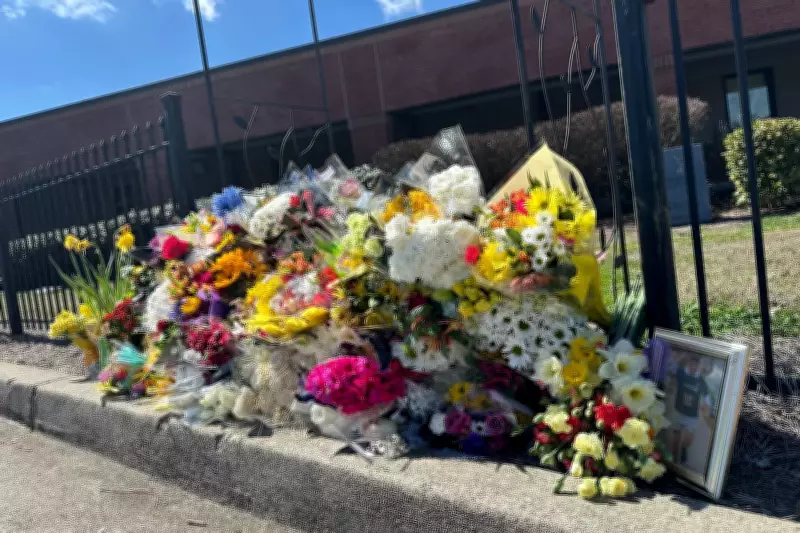
The incident occurred in Gainesville, Georgia, where a teacher lost their life in an event described as a prank gone awry. The teenager, whose identity remains protected due to age, was initially charged with vehicular homicide, a serious offense that carries substantial legal consequences. The community has been grappling with grief, as evidenced by flowers placed outside North Hall High School in remembrance of the educator.
Prosecutor's Rationale for Dropping the Charge
While specific details of the prosecutor's reasoning were not fully disclosed in the initial report, such decisions often involve considerations of evidence, intent, and the circumstances surrounding the incident. In cases involving minors, factors like age, mental state, and the nature of the prank can influence legal outcomes. The dismissal suggests that the prosecution may have determined that the evidence did not meet the threshold for a vehicular homicide conviction, potentially due to lack of malice or premeditation.

This move highlights the complexities of juvenile cases, where balancing punishment with rehabilitation is crucial. Legal experts note that prosecutors must weigh public safety against the potential for reform in young offenders, especially in situations involving unintended consequences.
Broader Legal and Social Implications
The case underscores ongoing debates about how the justice system handles incidents involving teenagers and fatal outcomes. Vehicular homicide charges typically require proof of negligence or recklessness, and in prank-related deaths, establishing criminal liability can be challenging. This dismissal may prompt discussions on legal standards for such cases and the need for clearer guidelines to prevent similar tragedies.
Moreover, the community's response, with memorials at the school, reflects the profound impact of the teacher's death on students, staff, and families. It serves as a reminder of the real-world consequences of risky behavior and the importance of safety education among youth.
Looking Ahead
With the vehicular homicide charge dropped, the teenager may still face other legal proceedings or alternative measures, such as juvenile court interventions or counseling. The case is likely to continue drawing attention as authorities and the public seek closure and justice for the teacher's family.
In summary, the prosecutor's decision to drop the charge adds a new layer to this heartbreaking story, emphasizing the nuanced nature of legal accountability in cases involving minors and accidental deaths. As the community mourns, it also grapples with the broader lessons about responsibility and the legal system's role in addressing such incidents.