The international activist community, often vocal on global human rights issues, has remained notably quiet regarding the ongoing crackdown and protests in Iran. This silence stands in stark contrast to the widespread demonstrations seen for other causes in Western nations.
A Crisis Met with Western Inaction
In a recent episode of the Full Comment podcast, recorded on January 15, 2025, host Brian Lilley spoke with two prominent Iranian-Canadian human rights lawyers, Payam Akhavan and Kaveh Sharooz. They addressed the disturbing situation where, despite an untold number of citizens being killed by the regime for demanding basic rights, there are no equivalent tent cities on university campuses or large-scale protest marches in Western countries.
The lawyers pointed out that Western leaders, including figures like former U.S. President Donald Trump, have proven largely ineffectual in providing tangible help to the Iranian people. This has contributed to a sense that the populace is "mostly abandoned by the international community."

The Regime's Persistent Grip on Power
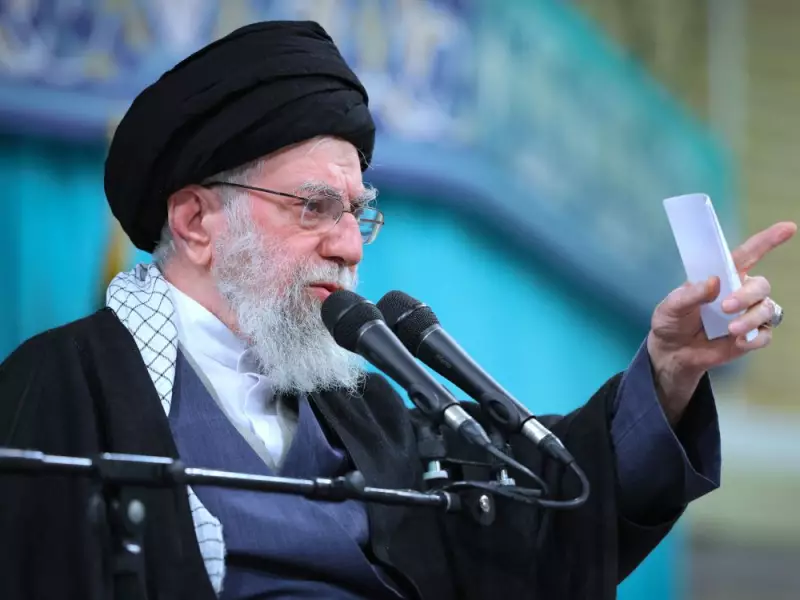
Akhavan and Sharooz provided analysis suggesting that, for now, the Iranian regime led by Supreme Leader Ayatollah Ali Khamenei maintains the upper hand. The current wave of dissent, while described as "much wider and deeper than previous uprisings in Iran," faces the grim possibility of ending as tragically as past movements—or even worse.
The discussion underscores a critical paradox: a corrupt and bigoted government continues its suppression, yet fails to generate the sustained, visible outrage in the West that other global issues routinely inspire.
The Implications of Global Silence
The conversation on the podcast moves beyond mere observation of the silence to examine its consequences. The lack of consistent, loud international pressure from civil society and activists is seen as one factor enabling the regime's resilience. Without this external spotlight and pressure, the internal struggle for freedom in Iran becomes even more perilous for those involved.
The episode, released on January 19, 2026, serves as a pointed commentary on selective activism and the real-world impact of geopolitical inaction. It challenges listeners to consider why some human rights crises capture the world's imagination and mobilize streets, while others, equally severe, are met with a conspicuous and damaging quiet.