As the calendar flips to 2026, residents of Ontario are facing a significant slate of new laws, regulations, and financial changes that will impact daily life, from the morning commute to the weekly paycheque. The new year brings adjustments to toll road pricing, federal and provincial taxes, workplace rules, and public safety mandates.
Safety First: Mandatory Carbon Monoxide Detectors
Starting January 1, a crucial new safety regulation takes effect across the province. Carbon monoxide detectors will now be required on every level of a home, including those without sleeping areas. This change aims to combat the approximately 60 deaths caused annually in Canada by the odourless, colourless gas.
Carbon monoxide is a dangerous byproduct of burning fuels in fireplaces, furnaces, vehicles, generators, and barbecues. It can accumulate silently in living rooms, kitchens, and garages. The responsibility for installing and maintaining working alarms falls on both landlords and homeowners.

Commuting Costs Rise on Highway 407
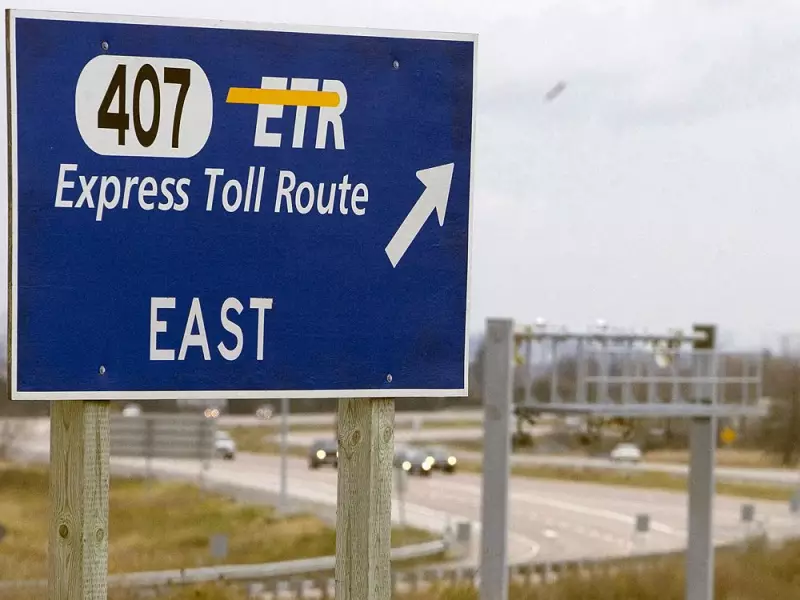
Drivers using the 407 ETR will see their costs increase for the first time since the pandemic. While some less-travelled zones will keep current rates, tolls in congested corridors are rising significantly.
The most substantial hike affects eastbound traffic between Highways 427 and 400. Here, the rate jumps from 80.57 cents to 112.79 cents per kilometre during peak times. An even steeper increase of 129% applies to weekday eastbound travel from 7 p.m. to 9 p.m., soaring from 36.11 cents to 82.76 cents per kilometre. Monthly transponder rental fees are also increasing by $5.
Tax Changes: Payroll Up, Income Tax Down
Canadian pay stubs will reflect higher deductions for the Canada Pension Plan (CPP) and Employment Insurance (EI) in 2026. The CPP increase is set at 2%, slightly lower than the previous year's hike. For workers earning over $85,000 annually, their total CPP and EI contributions will reach $5,770, with employers paying $6,219.
Offsetting this somewhat is a reduction in the lowest federal income tax bracket, a key election promise from Prime Minister Mark Carney. The rate dropped from 15% to 14% effective Canada Day 2025. The Parliamentary Budget Officer estimates this cut will reduce federal revenues by about $4.2 billion in the 2025-26 fiscal year.
Additionally, the industrial carbon tax rises to $110 per tonne in 2026, and changes to the Clean Fuel Regulations could add up to 17 cents per litre to gasoline prices.
Alcohol, Healthcare, and Employment Rules
Other notable changes taking effect include:
Alcohol: The federal alcohol escalator tax will automatically increase levies on beer, wine, and spirits by 2% on April 1. This mechanism, in place since 2017, has added over $1.6 billion in taxes according to the Canadian Taxpayers Federation. In Ontario, new rules set a minimum price for five-litre wine containers in stores and remove the requirement to segregate alcohol on grocery websites.
Healthcare: Ontario is expanding its "as of right" rules to allow 16 new classes of internationally trained health professionals—including dentists, optometrists, and pharmacists—to practice while awaiting full provincial accreditation. Updates to immigration rules will also help recruit more foreign doctors.
Employment: A major new transparency rule takes effect for Ontario employers with more than 25 staff. They must now include salary ranges in job postings, with the posted annual salary required to be accurate within a $50,000 range for positions under $200,000. Companies must also disclose if they use artificial intelligence to screen or assess candidates.
This collection of new measures marks a substantive shift in the regulatory landscape for Ontario as 2026 begins, touching on finances, safety, and fairness in the workplace.