Calgary 311: A Comprehensive Guide to the City's Centralized Information System
Calgary 311 serves as the primary access point for non-emergency city services, managing more than one million calls annually and supporting nearly 500 different categories of inquiries and service needs. These range from reporting potholes and damaged trees to addressing garbage collection questions and tax enquiries, making it a vital resource for residents.
Understanding When to Use 311 vs. 911
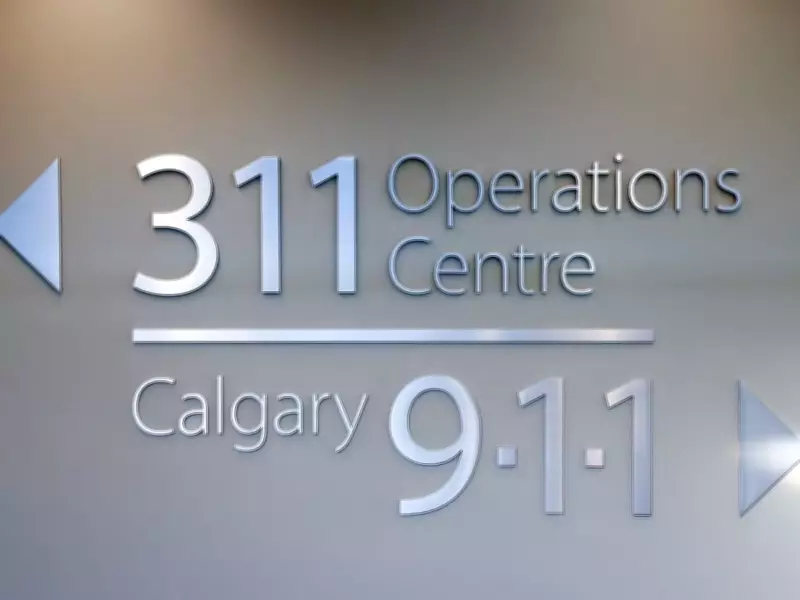
According to the City of Calgary, it is crucial to distinguish between situations requiring 311 and those needing 911. If a situation is life-threatening or requires emergency assistance from fire, ambulance, or police, citizens should call 911. For all other municipal concerns, 311 is the appropriate contact.
Accessibility and Operations of the 311 System
311 service and information requests can be made 24/7 by phone call, online, or through a mobile app, allowing Calgarians to report issues, request services, and obtain information about City programs at their convenience. The city offers a translation service, providing support in over 300 languages, as well as services for the deaf, ensuring inclusivity for all residents.

Historical Context and Evolution
Calgary was the first city in Canada to launch a 311 call centre, back in May 2005, with the goal of creating one central call area for citizens. Prior to this centralized system, there were more than 500 numbers for citizens to call with city issues, leading to confusion and inefficiency.
How the System Works: From Call to Resolution
Residents contacting 311 are connected with a trained agent who provides information and answers in real time whenever possible. If an issue requires follow-up, 311 creates a service request and routes it to the appropriate City business unit for review, investigation, or action. Clarke Bellamy, the 311 manager, explains that the call centre uses a dispatch system where operators take calls and either deal with issues immediately or dispatch them to the relevant unit, tracking the lifecycle of each request from start to finish.
Benefits of Centralization and Tracking
The centralized system helps prevent lost calls, as Bellamy notes that with hundreds of systems previously in place, tracking requests through multiple transfers was a challenge. Submitted service requests now track reported issues or information requests from submission to resolution. If citizens are unsure about the status of their request, Bellamy encourages calling 311 for updates. However, if an email address is provided during submission, the system sends automated notices on the request's status, showing three stages: received, in progress, and resolved.
Ongoing Improvements and Future Directions
The city recognizes that there may still be flaws with the system and is actively working on enhancements. A group called CARE (customer alignment and relationship enhancement) collaborates with businesses to unite data and identify potential pain points in the customer experience process, ensuring continuous improvement based on citizen feedback.