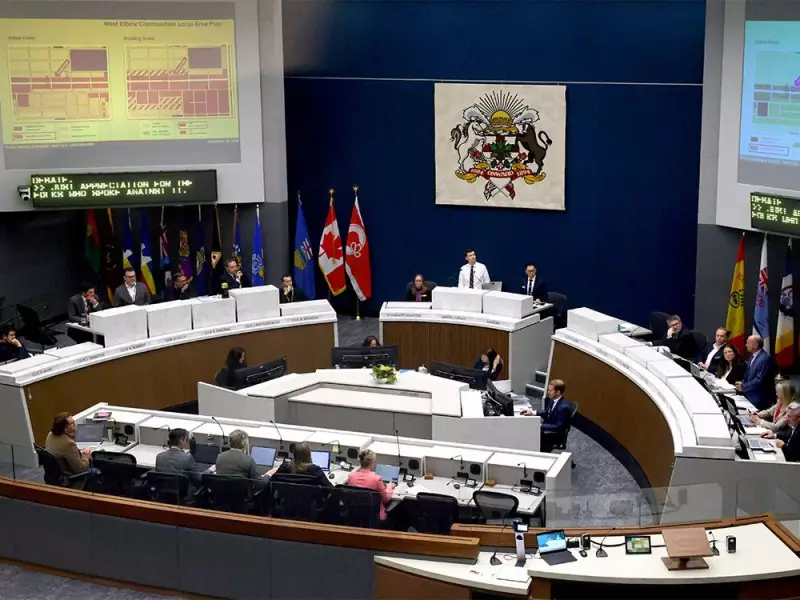
In a decisive move aimed at tightening financial oversight, Calgary's executive committee has voted to endorse a significant overhaul of the city's policy governing its reserve funds.
Committee Endorses Sweeping Changes
The vote, which took place on Tuesday, January 14, 2026, saw the committee endorse the proposed amendments with a 14-1 majority. The sole vote against came from Ward 2 Councillor Jennifer Wyness. The changes now await formal ratification at a future regular meeting of city council.
Cathy Ann, the city's deputy director of corporate finance, presented the amendments, stating they are designed to create more accountability and transparency in how the municipality's reserve funds are managed and spent. "This will have stronger alignment with council priorities, where reserves become a tool for strategic goals, not just operational needs," Ann told committee members.

Key Reforms: From Triennial to Quarterly Reporting
The core of the reform shifts the city from a slower, less comprehensive review cycle to a more dynamic and frequent reporting model. Under the current system, every active reserve is reviewed at least once every three years, with council receiving an annual "triennial" review in December that only covers one-third of all reserves.
The new policy proposes a fundamental change: every reserve will be reviewed annually. Furthermore, city administration will be required to deliver quarterly "accountability reporting" detailing exactly how reserve funds are being deployed. Ann emphasized this will provide "greater transparency and accountability."
The amendments also seek to integrate the planned use of reserves directly into the city's four-year budget and business planning cycles. According to Ann, this integration will optimize the use of reserve funds and ensure they support citywide outcomes rather than "siloed decisions." It would also allow for faster deployment of reserve funds when needed.
Councillor Support and Lingering Questions
While the vote was overwhelmingly in favour, some councillors voiced the need for clarity on the implications of the new rules. Ward 4 Councillor DJ Kelly, who supported the amendment, expressed concerns that the policy might grant city administration more authority over allocating reserves at the expense of council's directive power.
"I'm definitely not accusing administration of anything here," Kelly clarified after the meeting. "It's just a question of, with 10 new councillors, for this kind of policy to determine how we manage a large amount of money that the city has, we need a little bit of guidance and a little bit of education around what is changing in the policy so we can make a good decision on behalf of Calgarians."
The proposed overhaul represents a concerted effort by Calgary's financial officials to modernize fiscal governance, promising citizens a clearer window into how their tax dollars are safeguarded and strategically invested for the city's future.