In preparation for the upcoming four-year budget cycle, the City of Calgary's parks and open spaces business unit is pushing for a significant funding boost to tackle mounting public dissatisfaction and the challenges posed by urban expansion. The department plans to request a $14 million increase to its operating budget during council deliberations for the 2027-30 fiscal plan this November, according to a report set for review by the infrastructure and planning committee.
Escalating Service Requests Highlight Growing Concerns
Calgarians' reliance on the 311 service for park maintenance issues has surged dramatically, with requests quadrupling since 2014. This spike reflects widespread frustration over declining service levels in key areas such as mowing, turf upkeep, garbage collection, and shrub bed care. Residents are increasingly vocal about the deteriorating condition of public spaces, prompting urgent calls for action.
Funding Falls Short Amid Rapid Growth
Despite a 12 percent increase in park maintenance funding since 2024, the department's budget has failed to keep pace with a 36 percent growth in actively maintained park space across the city. Additionally, a 28 percent rise in operating costs due to inflation has further strained resources. Over the past decade, funding per hectare of public park space has steadily declined, even as service demands continue to escalate.

Currently, Calgary maintains 9,300 hectares of public open space, with approximately half receiving active upkeep. Last year, 4,389 hectares of parkland were maintained, marking a 36 percent increase over the past ten years. In 2025, the city allocated $33 million for core maintenance, equating to about $8,500 per hectare—a significant drop from the $10,500 per hectare invested in 2014.
Reduced Service Levels Impact Park Usability
To manage the growing funding gap, city administration has implemented efficiencies and absorbed system growth within existing budgets. However, these measures have proven insufficient, leading to reduced service levels that negatively affect park usability. Issues include longer grass, increased weed presence, declining shrub health, and more frequently overflowing garbage bins.
Specific maintenance routines have also been scaled back. For instance, parks were mowed an average of ten times per season before 2017, but now receive only eight mowings annually. Turf maintenance, including aeration and fertilizer application, has shifted from a two-year cycle to every nine years. Similarly, shrub bed upkeep has declined from a biannual schedule to once every eight years.
Public Response and Future Implications
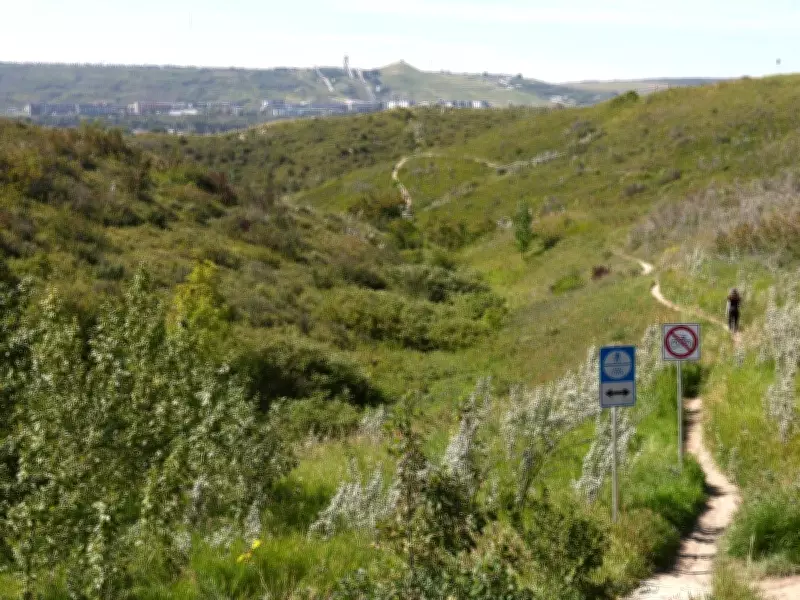
The decline in maintenance quality has not gone unnoticed, with community members expressing concern over the state of beloved green spaces like the Silver Springs Boardwalk in Bowmont Park. As Calgary continues to grow, the pressure on park infrastructure is expected to intensify, making the proposed $14 million funding increase a critical step toward restoring service standards and ensuring sustainable urban development.
This request underscores the broader challenges faced by municipal departments in balancing budgetary constraints with the need to maintain high-quality public amenities. The outcome of the upcoming budget deliberations will likely have lasting impacts on Calgary's park system and its ability to meet the needs of a expanding population.