Calgary's Marathon Public Hearing on Rezoning Repeal Kicks Off with Heated Debate
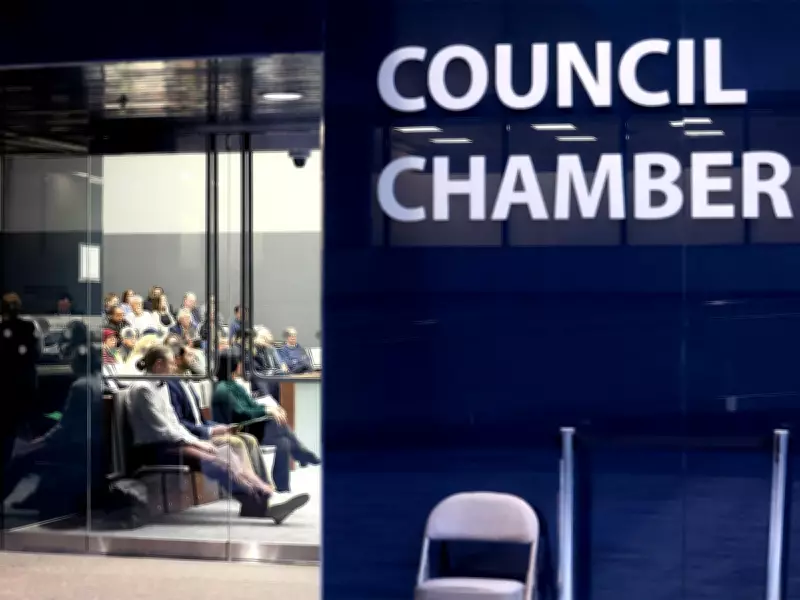
Calgary City Council's extensive public hearing regarding the proposed repeal of blanket rezoning officially commenced on Monday, March 23, 2026, at city hall. The hearing is anticipated to span the entire week, drawing significant public participation and passionate arguments from residents both supporting and opposing the controversial housing policy change.
Substantial Public Participation with 360 Registered Speakers
As of Sunday evening, an impressive 360 Calgarians had officially signed up to address council during the proceedings. The registration process remains open throughout the hearing, allowing additional residents to voice their perspectives on this critical municipal matter. This substantial turnout underscores the community's deep engagement with housing policy decisions that directly impact neighborhoods across the city.
Understanding the Proposed Rezoning Reversal
The hearing centers on a motion to rescind the previous council's decision to implement R-CG residential zoning citywide. This policy, initially established to streamline housing development, permitted homeowners to convert single-family detached homes into duplexes, fourplexes, or row housing without requiring prior land-use redesignation approval.

If the repeal receives council approval, it would trigger significant changes:
- 306,774 residential parcels (approximately 68% of Calgary's homes) would be redesignated back to their original zoning classifications
- The city's base density would decrease from 75 units per hectare to 60 units per hectare
- Building heights would be restricted to 10 metres maximum
- Zero lot line provisions would be eliminated entirely
While R-CG redevelopment would remain technically possible under the proposed changes, homeowners would need to navigate a more complex process requiring rezoning approval through council public hearings.
Passionate Arguments from Both Sides
The hearing's first day featured compelling testimony from residents representing diverse viewpoints on the rezoning issue.
Eileen Deans, a Ward 10 resident who previously spoke against blanket rezoning in 2024, reiterated her strong opposition to the policy. She expressed surprise that the original measure passed despite what she characterized as clear public opposition, describing continued implementation as "adding lipstick to a pig" and fundamentally flawed.
Deans raised concerns about financial motivations influencing housing policy, suggesting that increasing density for affordability purposes had placed "a finger on the scale" favoring income generation through property taxes for administration and profit margins for developers.
Another resident living near a reservoir presented a concrete example of the policy's impact, noting that $600,000 bungalows in her neighborhood had been demolished and replaced with $800,000 duplexes since blanket rezoning implementation. She argued the policy primarily benefited developers by enabling profit maximization while failing to deliver promised affordability improvements.
"Density did increase but at the expense of affordability," she told council, advocating for neighborhood consultation requirements through local area plans before multiplex development approvals.
Support for Retaining Current Policy
Not all speakers advocated for repeal. Several residents urged council to maintain the existing R-CG zoning framework, arguing that it successfully reduced bureaucratic barriers to redevelopment and facilitated construction of more affordable housing options. These proponents emphasized the policy's role in streamlining processes that previously created unnecessary delays and complications for housing projects.
The hearing represents a pivotal moment for Calgary's urban planning direction, with council members weighing competing perspectives on housing density, affordability, neighborhood character preservation, and development processes. The outcome will significantly shape residential development patterns across Canada's third-largest municipality for years to come.