While water flows freely from Calgary taps today, a torrent of accusations is flooding City Hall regarding who bears responsibility for the city's deteriorating water infrastructure. The immediate crisis may have subsided, but the political and logistical challenges of fixing a crumbling system are just beginning.
The Infrastructure Challenge and Immediate Aftermath
The recent scare with Calgary's water supply has laid bare the fragile state of essential utilities. Residents were briefly confronted with the reality of aging pipes and mains, some of which have been in service for decades. The incident has forced municipal officials to shift from emergency response to the complex arena of long-term capital planning. This transition, however, has been accompanied by a familiar political dynamic: the blame game.
Various stakeholders, including city council members, administrative departments, and past governments, are pointing fingers over deferred maintenance and funding shortfalls. The debate centers on whether previous administrations failed to invest sufficiently or if current budget allocations are mismanaged. This public discord complicates the already difficult task of securing consensus for massive, multi-year infrastructure projects.

Political Fallout and the Search for Solutions
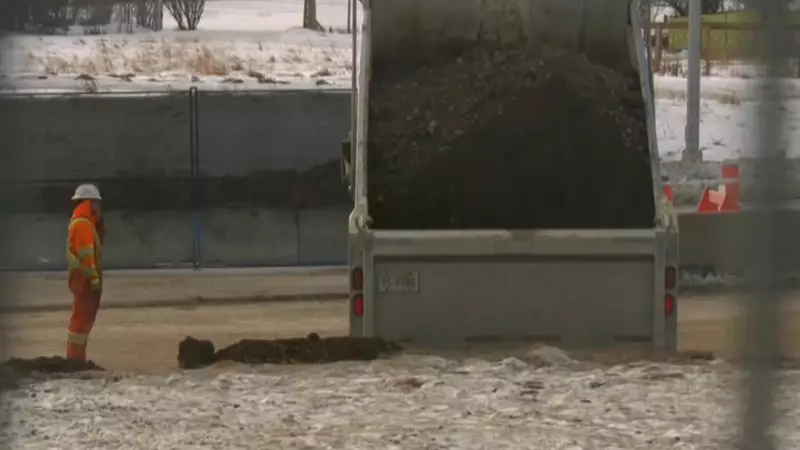
The political friction highlights a common dilemma in municipal governance: the conflict between immediate budgetary pressures and the necessity of investing in invisible, yet critical, long-term assets. Repairing and replacing water mains is phenomenally expensive and disruptive work, often requiring streets to be torn up and services temporarily interrupted. These projects rarely win political points, despite being fundamental to public health and safety.
As the city moves into the planning phase, engineers and planners are assessing the full scale of the problem. This involves not just fixing what broke, but conducting a system-wide review to prevent future failures. The goal is to create a sustainable replacement schedule that spreads the enormous cost over many years, while minimizing disruption to neighbourhoods and businesses.
What This Means for Calgary Residents
For the average Calgarian, the resolution of this issue will likely manifest in two ways: future tax increases or utility rate hikes to fund the repairs, and inevitable construction disruptions across the city. The long-term planning phase will require public consultation, as decisions made now will impact the city's financial and physical landscape for a generation.
The key takeaway is that the security of Calgary's water supply hinges on moving beyond political recriminations. A collaborative, transparent, and well-funded plan is essential to ensure that the city's infrastructure can support its growing population and withstand the pressures of time and climate. The health of the city literally flows through these pipes, making their upkeep a non-negotiable priority.