Calgary's Regional Future: Mayor Farkas Advocates 'Hunting as a Pack' Strategy
As Calgary nears a population of two million people, Mayor Jeromy Farkas is championing a fresh approach to regional cooperation, urging municipalities in the greater Calgary area to adopt a "we-first" mentality. This shift aims to replace past insular attitudes with collaborative efforts that benefit the entire region, drawing inspiration from successful metropolitan hubs like the Greater Toronto Area and Vancouver's Lower Mainland.
A New Era of Regional Planning
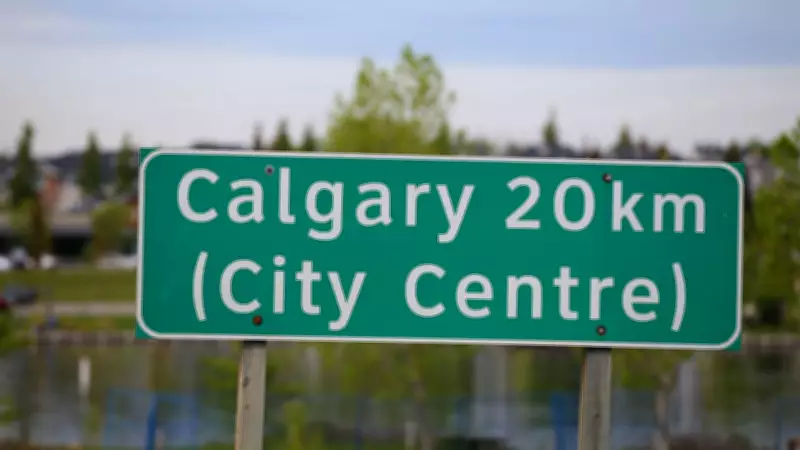
Unlike other major Canadian urban centres, Calgary has historically functioned as a uni-city, with approximately 1.6 million of its 1.8 million metro residents living within city limits. This structure stems from decades of annexing neighbouring towns such as Bowness and Forest Lawn. However, with rapid growth in surrounding areas like Airdrie and Chestermere, the question of formalizing a "Greater Calgary Area" is gaining urgency.
Farkas emphasizes the need to "hunt as a pack," advocating for joint advocacy to secure investment and grants from higher levels of government. He criticizes past approaches that focused solely on Calgary's property tax base, noting that as the region expands, shared services like public transit and water infrastructure necessitate closer collaboration.

Learning from Past Failures
Regional planning in the Calgary area has a history of stop-starts. The Calgary Metropolitan Region Board (CMRB), established in 2018, faced challenges including lack of support from rural members who felt dominated by Calgary. Issues like industrial development competition between Calgary and Rocky View County, and annexation feuds, further strained relationships.
Following the CMRB's dissolution in 2024, a new voluntary regional table was formed in December, involving Calgary, Airdrie, Cochrane, Chestermere, Rocky View County, and High River. Farkas believes this model, which respects local autonomy, can avoid past mistakes by ensuring clear shared benefits and equitable participation.
Economic Collaboration in Action
Initiatives like Invest Greater Calgary, a three-year pilot project launched in August 2025, exemplify the new collaborative spirit. This effort involves eight municipalities working together to attract investment and create jobs, with the goal of cementing the region as a competitive business hub. Brad Parry, President and CEO of Calgary Economic Development, highlights that the region's success benefits all partners, citing examples like De Havilland Aircraft's plant in Wheatland County.
Another key project is the Prairie Economic Gateway, a future inland port partnership between Calgary and Rocky View County. Expected to create over 30,000 jobs and generate $7 billion in economic output, this venture demonstrates how municipalities can collaborate on large-scale infrastructure with mutual advantages.
Growth Challenges and Opportunities
Neighbouring municipalities are experiencing explosive growth. Airdrie, now Alberta's fifth-largest city, has seen its population surge from below 60,000 in 2015 to over 90,000 today. Mayor Heather Spearman notes challenges like oversubscribed schools and infrastructure needs, emphasizing that regional cooperation is critical for addressing shared issues such as transportation and water management.
Chestermere, east of Calgary, has nearly doubled its population since 2015, with current estimates around 35,000. Mayor Shannon Dean points to interconnectivity challenges, including traffic congestion on routes like 17th Ave. S.E., and water scarcity concerns as the region grows. He supports Farkas's "hunting as a pack" philosophy for economic development and infrastructure planning.

Looking Ahead: A Unified Regional Vision
Farkas is optimistic about the new regional table's potential, highlighting opportunities like an intermunicipal pathway network and expanded transit access to the Tsuut'ina Nation. He argues that with the region inevitably reaching two million people, municipalities must choose to "plan together or pay the price later." By fostering practical, respectful collaboration grounded in trust, Calgary and its neighbours can strengthen their global competitiveness while preserving local identities.
This approach marks a significant departure from past efforts, focusing on equality and shared prosperity. As Farkas puts it, "a rising tide lifts all boats," underscoring the belief that regional success hinges on collective action rather than isolated gains.