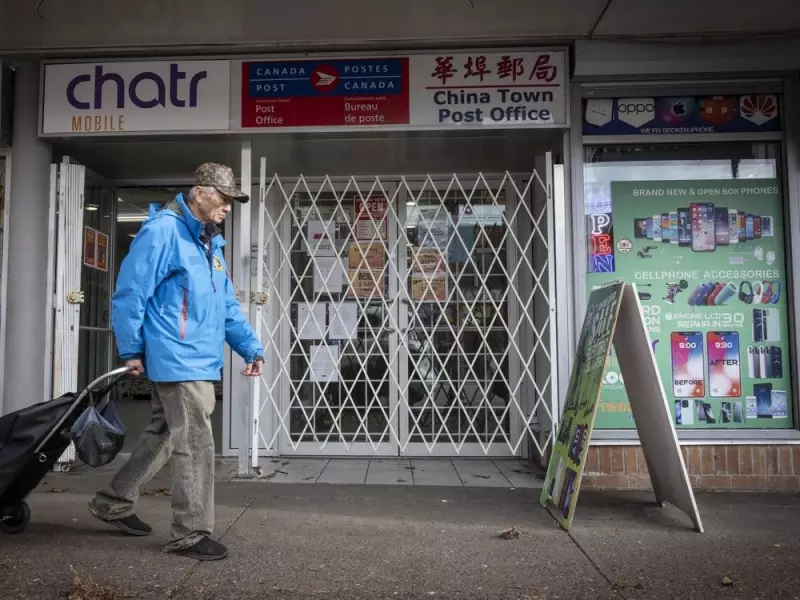
The planned closure of a full-service Canada Post location in Vancouver's Chinatown and Downtown Eastside is more than a simple business decision. It represents a critical loss of access for some of the city's most vulnerable residents, argue community leaders from the First United organization.
A Lifeline for Vulnerable Communities
For seniors, newcomers, low-income residents, people with disabilities, and small businesses, the neighbourhood post office is not a transactional convenience but a vital piece of civic infrastructure. It is one of the few public systems designed to reach everyone, regardless of income, language, mobility, or digital access. When individuals face language barriers, lack reliable internet, or live in insecure housing, in-person postal service is often their primary means of accessing essential rights and services.
First United, which has served the Downtown Eastside for 140 years, operates a program called Keep Connected. This initiative provides a permanent mailing address for over 300 people experiencing homelessness or unstable housing. Through this address, individuals can receive mail from family, file taxes, obtain government identification, and apply for jobs—fundamental steps toward stability and inclusion.

The Real-World Impact of Losing Local Service
The closure directly impacts First United's operations. Staff from the organization previously picked up mail for community members from the Chinatown post office, holding it securely at their community help desk. This service provides more than just parcels and letters; it offers a pathway for economic, civic, and social justice. For many, checking the mail is a cherished part of their daily routine and a point of human connection with trusted staff.
Amanda Burrows, Executive Director of First United, and Katie Bricknell Koncan, Director of Development and Communications, emphasize that programs like Keep Connected are not a replacement for robust public postal service—they depend entirely on it. The need for such community supports underscores that physical mail access remains essential, especially for those on the margins.
Financial Pressure vs. Public Mandate
While acknowledging that Canada Post faces genuine financial challenges, the authors contend this does not render the postal service obsolete. Instead, it calls for more creative thinking about how to utilize this existing public infrastructure. The core question posed is whether our systems are designed to serve everyone without exception, or if we risk leaving behind seniors, newcomers, and those less fortunate.
The loss of the Chinatown post office, announced in January 2026, is a stark reminder. Postal service is fundamentally about dignity, access, and connection. Protecting equitable access to these services, advocates argue, is a matter of community health and social justice, requiring tireless effort from organizers and a renewed public commitment to the service's foundational role.