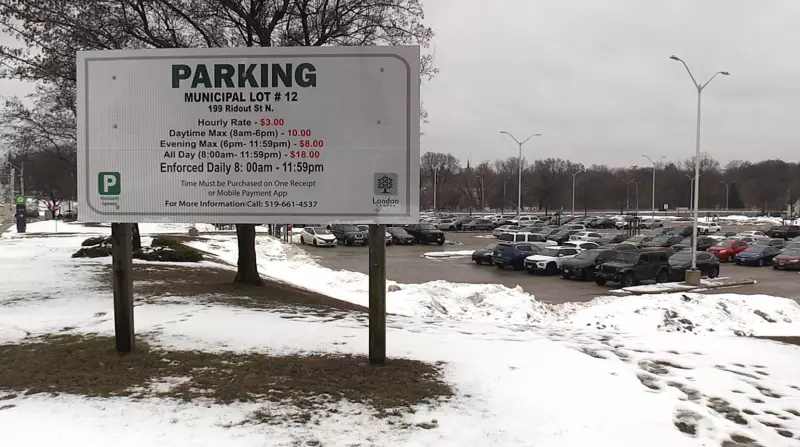
A confidential meeting about toxic soil contamination has effectively killed a proposal by London Mayor Josh Morgan to redevelop a downtown municipal parking lot into much-needed housing. The plan for the site at 199 Ridout Street has been doomed by the discovery of coal tar-contaminated soil beneath the pavement.
Secret Meeting Reveals Environmental Hazard
Details emerged from a closed-door session where officials were briefed on the severity of the pollution at the city-owned property. The parking lot, a potential site for new residential units, sits atop a legacy of industrial contamination. This hidden environmental issue, confirmed in January 2026, presents a significant and costly barrier to any construction, fundamentally altering the project's feasibility.
A Major Setback for Housing Goals
Mayor Morgan's proposal was part of a broader strategy to address London's housing shortage by converting underutilized city land. The redevelopment of the Ridout Street parking lot was seen as a practical step towards increasing urban density. However, the coal tar contamination introduces complex environmental remediation challenges. Cleaning such a site requires specialized, expensive processes to ensure it is safe for residential use, likely rendering the project financially unviable under current plans.

What Comes Next for the Contaminated Site?
The city now faces difficult questions about the future of the property. The immediate priority will involve containing the environmental risk and assessing the full scope and cost of cleanup. While the dream of housing on this specific parcel is dashed, the revelation underscores a larger issue for many Canadian cities: the hidden legacy of industrial land use. Moving forward, more extensive environmental testing may become a prerequisite for similar redevelopment projects across Ontario to avoid future surprises and ensure public safety.
This incident highlights the tension between urgent housing needs and the practical, often expensive, realities of urban land remediation. The city must now explore alternative sites or consider different, potentially non-residential, uses for the contaminated lot at 199 Ridout Street.