Edmonton Surpasses 30,000 Pothole Repairs in 2026
The City of Edmonton has made significant progress in addressing its seasonal road maintenance challenges, with municipal crews filling more than 30,000 potholes since the beginning of 2026. This substantial repair effort comes as residents navigate the annual spring thaw, which typically exacerbates road surface damage across the city.
Seasonal Challenges Drive Repair Surge
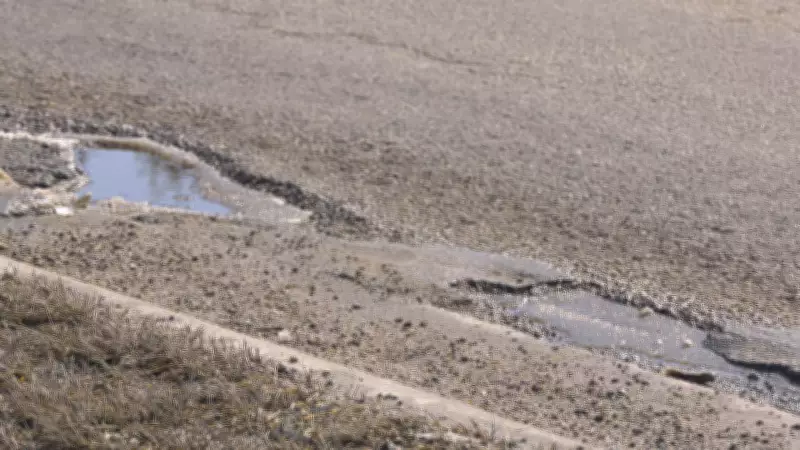
Potholes are a persistent issue in Edmonton, where freeze-thaw cycles during winter and early spring create ideal conditions for road surface deterioration. The combination of moisture seeping into pavement cracks, followed by freezing temperatures that expand the cracks, and heavy vehicle traffic results in the characteristic craters that plague drivers each year.
"The repair numbers reflect both the severity of this year's conditions and our commitment to maintaining safe roadways," explained a city transportation representative. "Our crews have been working extended hours to address the most problematic areas first, prioritizing high-traffic corridors and locations with safety concerns."

Repair Methodology and Prioritization
Edmonton employs several approaches to pothole repair, depending on weather conditions and the severity of damage:
- Temporary cold patches for immediate repairs during freezing conditions
- Hot asphalt applications for more permanent fixes during warmer weather
- Advanced patching techniques for larger or recurring problem areas
The city uses a reporting system that allows residents to notify officials about problematic potholes through multiple channels, including a dedicated phone line, mobile application, and online portal. Reports are then triaged based on factors including:
- Location and traffic volume
- Size and depth of the pothole
- Potential safety hazards to vehicles and pedestrians
- Proximity to schools, hospitals, and emergency routes
Long-Term Infrastructure Considerations
While the current repair numbers are substantial, transportation experts note that pothole filling represents reactive maintenance rather than proactive infrastructure investment. The annual cycle of damage and repair highlights broader questions about road construction standards, material durability, and climate adaptation in northern cities.
"We're seeing patterns that suggest changing weather conditions may be intensifying the annual pothole problem," observed an infrastructure analyst familiar with Edmonton's road network. "More extreme temperature fluctuations and increased precipitation during transitional seasons create additional stress on pavement structures."
The city's transportation department has indicated that while emergency repairs will continue throughout the spring, longer-term solutions are being evaluated as part of comprehensive infrastructure planning. These considerations include improved drainage systems, enhanced pavement materials, and strategic road reconstruction schedules.
As Edmonton moves further into 2026, municipal officials anticipate that pothole repair numbers will continue to climb before leveling off as weather stabilizes. Residents are encouraged to report significant road damage through official channels to help prioritize repair efforts across the city's extensive roadway network.