Edmonton Explores New Revenue Streams and Traffic Innovations
In a significant shift for winter operations, the City of Edmonton is considering implementing fees for municipalities and private contractors who currently dump snow at city facilities for free. This proposal emerged during a comprehensive briefing by the Parks and Roads Service to city council, highlighting potential changes to be phased in by 2030.
End of Free Snow Dumping
For years, Edmonton has allowed neighboring municipalities and businesses to use its snow disposal grounds without charge. However, with estimates suggesting that 60-70 percent of snow hauled to these sites originates from the private sector, officials are reevaluating this policy. The city operates five environmentally designed snow disposal facilities that prioritize public safety and environmental protection.
Ward Papastew Councillor Michael Janz expressed surprise at the current arrangement, stating, "I was quite shocked. We all want to live in a city with very efficient snow removal that helps all of us get through the winter. While I appreciate the generosity that Edmonton has been sharing to regional partners and private contractors, given our fiscal situation, every dollar Edmonton spends subsidizing private contractors or regional municipalities is a dollar we can’t spend enhancing service."

Automated Parking Enforcement During Bans
Another innovative measure under consideration is automated parking enforcement during parking bans. Caitlin Zerebeski, branch manager, explained that this technology would provide officials with an additional tool to clear vehicles from streets during heavy snowfall events, thereby improving snow removal efficiency.
However, the question of where these displaced vehicles would go remains unresolved. During a recent public hearing, it was noted that alleyways are typically the last sections cleared during snow removal operations. Mayor Andrew Knack emphasized the need for improved service across all areas, regardless of snowfall intensity.
"Alleys do still get cleared — I think they could get done more quickly," Mayor Knack remarked. "But at the end of the day, I use my back alley all the time during winter. It’s not great, I have a small car. But it still allows me to access my home. The large snowfall we saw in late December and early January made that particularly challenging — this is why I want to have a service level conversation. We want people to use their garages during a parking ban. Most alleys are still accessible during the winter, even after a snowfall. When you see an extreme snowfall event, that’s when we have to have a conversation about how quickly are we responding to those needs."
Proactive Traffic Signals for Better Flow
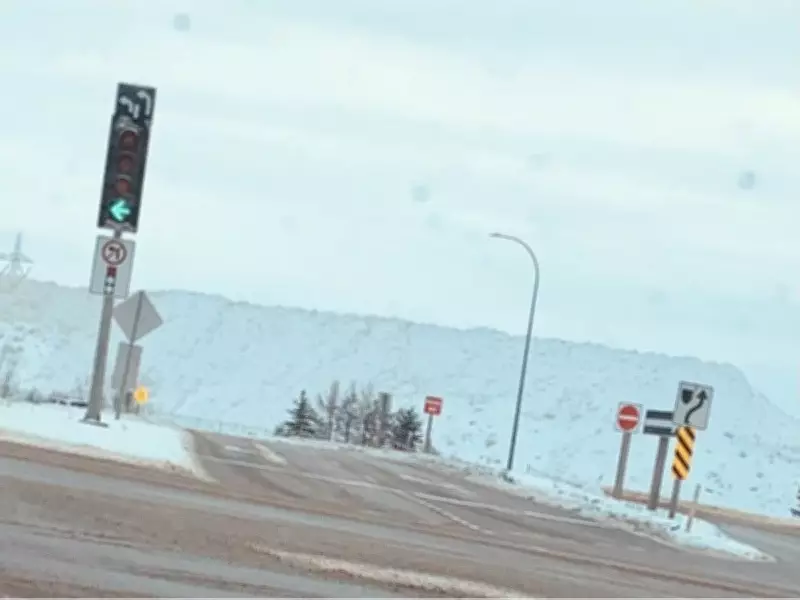
In addition to snow management, the city is revisiting the concept of proactive traffic signals. These intelligent systems would adjust light changes based on real-time vehicle presence at intersections, optimizing traffic flow and reducing congestion.
Zerebeski highlighted the benefits, saying, "I think anywhere you can get to a place in operations where you can be as proactive as possible means that people’s experience with the roadway and how they navigate is optimized. We’ve removed signaling along the Yellowhead. Signals typically go in when there’s an intersection of a collector road to an arterial road to allow for safe access."
Upcoming Audit and Future Directions
An audit of Edmonton’s snow and ice removal operations is scheduled for presentation to council in August, which will provide further insights into current practices and potential improvements. This comprehensive review comes amid ongoing discussions about service levels and fiscal responsibility, as the city balances the needs of residents with budgetary constraints.
The proposed changes reflect a broader effort to modernize Edmonton’s winter infrastructure, ensuring that both snow removal and traffic management systems are efficient, cost-effective, and responsive to the challenges posed by harsh winter conditions.