Edmonton's Winter Snow Removal Challenges and Community Responsibility
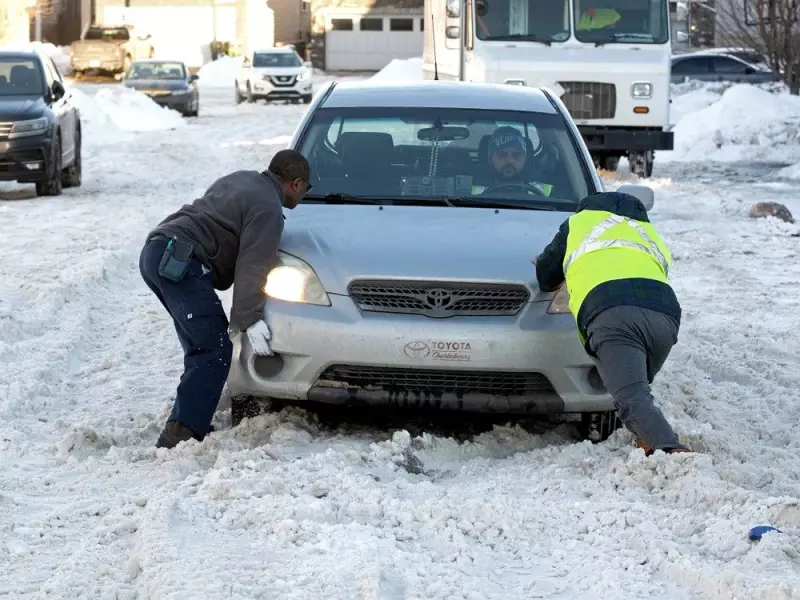
Edmonton has experienced significant difficulties in recovering from a particularly harsh winter season, with snow removal operations facing unprecedented challenges. The situation has become so severe that even the specialized vehicles tasked with clearing roads have found themselves immobilized by the accumulated snow.
Resident Behavior Complicates Snow Removal Efforts
While the extreme weather conditions present natural obstacles, some Edmonton residents have created additional, unnecessary difficulties for municipal snow removal crews. Reports indicate that workers have faced harassment, threats, and even physical aggression from frustrated citizens, with incidents including thrown shovels at city vehicles.
Furthermore, compliance with essential parking bans has been disappointingly low, with many residents failing to move their vehicles from designated snow routes. This lack of cooperation directly impedes the very operations that citizens are demanding to clear their neighborhoods.

The Complex Reality of Winter Infrastructure
The frustration many Edmontonians feel about road conditions is understandable, particularly when municipal tax assessment notices arrived simultaneously with worsening residential road accessibility. However, the solution requires more than venting anger at frontline workers.
Constructive approaches include directing concerns to city hall and council members who establish the policies and budgets governing snow removal operations. The fundamental challenge involves addressing weather systems that ultimately create these difficult conditions.
Investment Versus Endurance: Edmonton's Annual Winter Debate
This winter has reignited the perennial discussion about Edmonton's approach to snow management. The city faces a fundamental choice between increased investment in winter infrastructure or continued endurance of challenging conditions.
Potential solutions under consideration include:
- Expanding the municipal fleet with additional graders and specialized trucks
- Hiring and training additional personnel to operate expanded equipment
- Increasing fuel budgets and maintenance resources
- Developing new storage facilities for equipment and removed snow
- Establishing premium contracts with private plowing companies
Mayor Andrew Knack has indicated willingness to engage residents in this crucial conversation before establishing the next municipal budget. This dialogue acknowledges Edmonton's identity as a winter city and the resources required to manage that reality effectively.
Balancing Service Expectations with Fiscal Responsibility
The challenge lies in reconciling demands for improved winter road maintenance with concerns about already substantial tax increases. Many residents have expressed frustration about rising municipal costs while simultaneously expecting enhanced services.
This tension highlights the complex decision-making facing Edmonton's leadership as they navigate competing priorities of service delivery and financial responsibility. The current winter difficulties serve as a catalyst for broader discussions about municipal resource allocation and community expectations.
Ultimately, improving Edmonton's winter resilience requires both municipal investment and community cooperation. While the city can enhance its operational capacity, residents must also contribute by complying with parking regulations and supporting the workers tasked with maintaining essential infrastructure during challenging conditions.