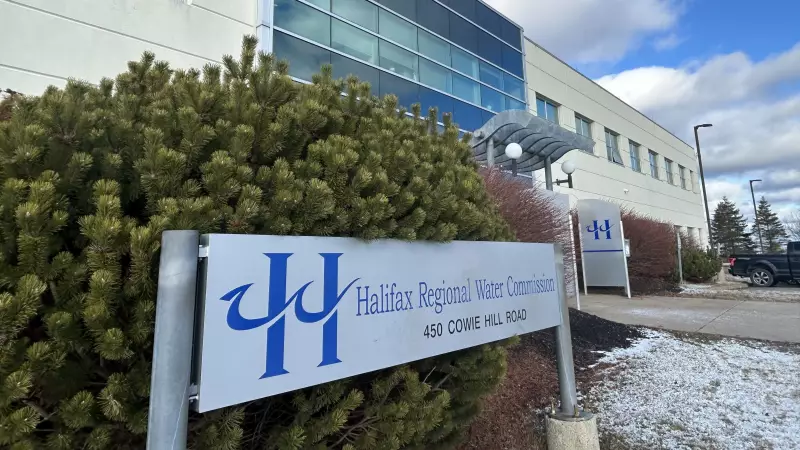
Residents of Halifax could soon learn the fate of a proposed increase to their water bills, as regulators move closer to a decision on Halifax Water's rate hike application. The proposal, which has been under review, would see customers paying more for water and wastewater services in the coming year.
Regulatory Process Nears Conclusion
The Nova Scotia Utility and Review Board (NSUARB) has been examining the utility's request, which outlines the need for increased revenue to fund critical infrastructure upgrades and maintenance. A final decision from the board is anticipated in the near future, potentially setting new rates for the 2026 billing cycle. This regulatory process is standard but comes at a time when many households are already grappling with rising costs of living.
Understanding the Proposed Increase
Halifax Water, the municipal utility serving the Halifax Regional Municipality, has argued that the rate adjustment is necessary to continue providing safe and reliable services. The funds are typically earmarked for projects like replacing aging pipes, upgrading treatment facilities, and meeting stricter environmental standards. While the exact percentage or dollar amount of the proposed hike was not detailed in the initial brief, such proposals often spark public concern and scrutiny during the review period.

The potential increase highlights the ongoing challenge of balancing infrastructure investment with affordability for ratepayers. Utility officials often emphasize that deferring necessary investments can lead to more costly emergencies, such as major pipe failures, down the line.
What This Means for Halifax Households
If approved, the new rates would directly impact the budgets of homeowners, renters, and businesses across the region. The decision, expected soon, will provide clarity for financial planning. Residents are encouraged to review their water usage and consider efficiency measures to mitigate the impact of any approved increase.
This development in Halifax is part of a broader national conversation about the cost of maintaining essential public utilities and the pressures on municipal infrastructure funding.