London Police Services Board Votes to Maintain Seven-Member Structure
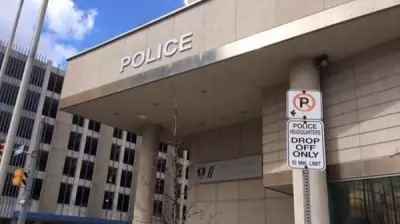
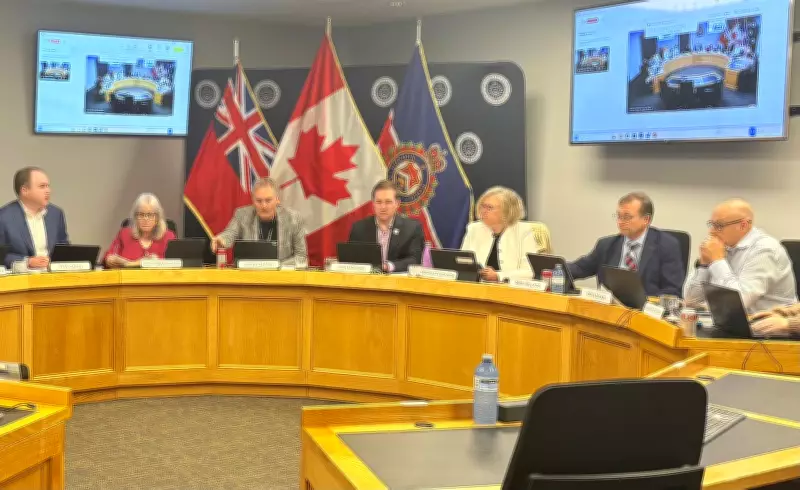
The London Police Services Board has officially moved to keep its current seven-member structure intact, following a decisive vote during its meeting on Thursday, April 16, 2026. The session, held at Police Headquarters in London, Ontario, saw board members deliberate on the organizational framework that governs oversight of the city's law enforcement agency.
Decision Made During Key Meeting
The board convened to address various administrative and policy matters, with the composition of the board itself being a significant agenda item. After thorough discussion, members unanimously agreed that maintaining a seven-person board best serves the community's needs. This structure includes a mix of appointed and elected officials who collaborate to set strategic direction, approve budgets, and ensure accountability within the police service.
Continuity in governance was cited as a primary reason for the decision, as the current setup has proven effective in balancing diverse perspectives and expertise. The board emphasized that this stability is crucial for ongoing initiatives aimed at enhancing public safety and community relations.

Implications for Police Oversight
By retaining the seven-member format, the board avoids potential disruptions that could arise from structural changes. This move ensures that:
- Oversight mechanisms remain consistent and transparent.
- Policy development continues without interruption.
- Community engagement efforts are supported by a stable leadership body.
The decision reflects a commitment to operational efficiency and public trust, as the board plays a pivotal role in bridging the gap between law enforcement and the citizens they serve. Members highlighted that this structure allows for comprehensive representation, including voices from municipal government, provincial appointments, and community advocates.
Background and Context
Police services boards across Ontario are tasked with providing civilian governance and oversight, ensuring that policing aligns with local priorities and legal standards. The London Police Services Board's choice to stick with seven members comes amid broader discussions about police reform and accountability in municipalities nationwide.
This decision may influence similar boards in other regions, as it underscores the value of a balanced and experienced panel in navigating complex public safety challenges. The board's next steps include focusing on strategic planning and community outreach, leveraging its established structure to address emerging issues in law enforcement.