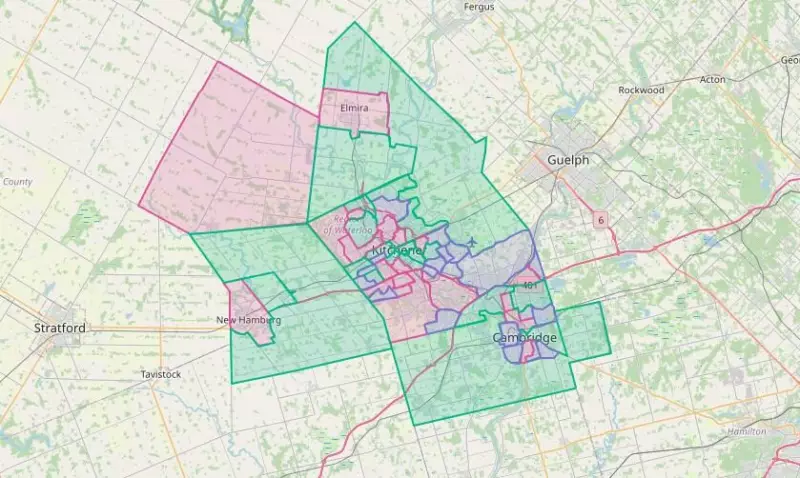
A new digital tool is shedding light on the unequal distribution of community resources across Waterloo Region. The interactive map, released by the organization One Million Neighbours Waterloo Region (WR), provides a stark visual representation of which neighbourhoods have robust access to services and which are falling behind.
Visualizing Community Equity
Launched on January 11, 2026, the project aims to offer residents and policymakers a clear, data-driven snapshot of local equity. According to the group, the map is designed to illustrate how fairly or unfairly essential services are spread throughout the communities of Kitchener, Waterloo, Cambridge, and the surrounding townships.
The initiative moves beyond anecdotal evidence, compiling various data points to create a comprehensive overview. This allows for an objective analysis of where gaps in service provision exist, from community centres and libraries to healthcare access and public transit options.

A Tool for Awareness and Action
The primary goal of the map is to raise awareness about these disparities. By making the information publicly accessible and easy to understand, One Million Neighbours WR hopes to spark conversations at both the community and municipal levels.
The organization believes this tool can be a catalyst for change, informing future planning decisions and budget allocations. It empowers residents to see how their own neighbourhood compares and provides community advocates with hard evidence to support calls for improved resources.
What This Means for Waterloo Region
The release of this map comes at a time when many Canadian municipalities are grappling with issues of urban planning, social equity, and inclusive growth. Identifying specific service deserts is the first critical step toward addressing them.
Policymakers can use this data to target investments more effectively, ensuring public funds are directed to areas with the greatest need. For residents, it provides a clearer picture of the challenges facing different parts of the region, fostering a more informed and engaged citizenry.
The work by One Million Neighbours WR underscores a growing movement towards data transparency in civic affairs. By quantifying service gaps, the region can now work on qualitative solutions to build a more equitable and connected community for all its residents.