Projet Montréal Condemns Montreal's 2026 Budget Reductions
The new city administration under Ensemble Montréal is facing sharp criticism from the former governing party, Projet Montréal, over significant budget cuts to recreational services, green spaces, and citizen engagement initiatives. According to critics, these reductions threaten the very fabric of neighborhood life in Montreal.
"Backbone of Neighborhood Life" Under Threat
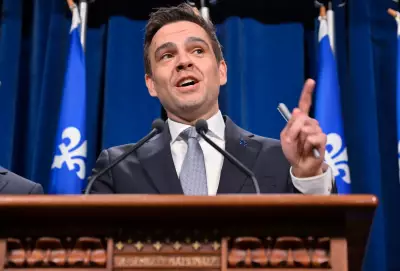
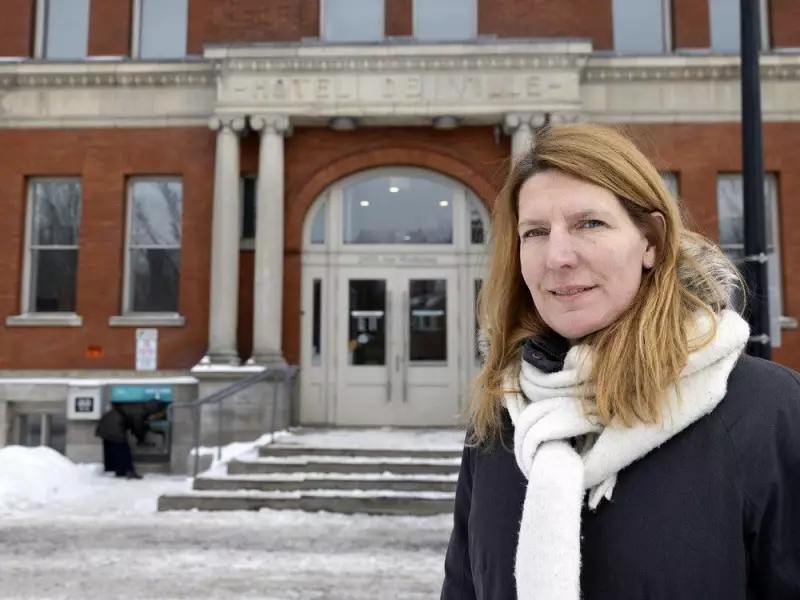
Sud-Ouest Mayor Véronique Fournier, who serves as Projet Montréal's finance critic, expressed deep concern about the budget's impact. "This kind of infrastructure is the backbone of our neighbourhood life," Fournier stated in a recent interview. "All these cuts are hitting parks, park chalet buildings, sports centres, green alleys. In the end, it really weakens the affordable dimension of the city."
The criticism comes despite Ensemble Montréal's promise that their 2026 budget and 10-year capital works program would "improve urban life and reverse the exodus of Montrealers." Projet Montréal has launched a petition calling for a budget that "doesn't leave families behind," highlighting several specific areas of concern.

Specific Cuts and Delays
The budget reductions affect multiple community-focused programs:
- Nearly $125 million in cuts for maintenance and construction of sports infrastructure, particularly affecting aquatic facilities and arenas
- Delayed funding for transforming Falaise St-Jacques into a 60-hectare nature park
- Reduced funding for refrigerated ice rinks, which Fournier described as essential for maintaining outdoor winter activities amid climate change
- A two-year delay in funding for the city's "green corridors" network
- Complete discontinuation of the popular welcome box program for newborns
Participatory Budget Slashed Dramatically
One of the most significant reductions affects Montreal's participatory budget program, which allows citizens to propose and vote on neighborhood improvement projects. According to Fournier, "The reduction is over $500 million over 10 years. It was almost $50 million yearly of investment money for ideas and decisions of the population."
The 2026-2035 capital works program now allocates just $64 million over 10 years for participatory budgeting, down from previous levels that allowed for meaningful community engagement.
Martin Danyluk, an assistant professor at Concordia University specializing in urban planning, warned about the consequences of such reductions. "When the amount of available funds is low, people don't engage," Danyluk explained. "Instead, the participatory budgeting process ends up being dominated by kind of middle class white homeowners who are interested in things like better playgrounds."
Community Concerns Voiced During Hearings
During public hearings on the budget, citizens expressed frustration with specific cuts. François Arteau of Les amis du parc Angrignon criticized the reduced funding for park improvements, noting that Angrignon Park will receive only $125,000 annually for the next two years, compared to Projet Montréal's original plan of $625,000 in 2026 and $774,000 in 2027.
"How do you plan to maintain the park's assets over the next two years while investing only $125,000?" Arteau questioned during the hearings. He highlighted several unresolved issues including the lack of a visitor's pavilion promised for 2025, deteriorating water supply infrastructure for the ponds, and problems with invasive plant species.
Administration Defends Priorities
In response to the criticism, Mayor Soraya Martinez Ferrada's cabinet defended the budget decisions, stating: "making a budget means making choices." The administration emphasized that Montrealers have asked for refocused priorities on homelessness, housing, and safety.
"Many families tell us that they are afraid for their children: school routes to avoid, syringes in daycare centres, strollers being stolen, neighbourhoods falling into disrepair," the administration stated. "This is not normal. And it is not worthy of Montreal. Montreal has fallen behind. We're on it."

Broader Implications for Civic Engagement
Experts warn that the budget cuts could have lasting effects on civic engagement and public perception of government. Danyluk noted that programs like the welcome box for newborns created important connections between citizens and public institutions.
"It creates an initial link with a crucial public institution," Danyluk said. "If people see their government as something that is only there to enforce contracts and enforce law and promote real estate development, they may not be as favourable to government in the future."
Fournier countered the administration's debt repayment justification, arguing that the city was already on track to reimburse its debt by 2027. "There was not any kind of emergency to reach it one year before it was planned," she stated, adding that "A budget is not only balancing the books, it's about priorities and vision."
The debate highlights fundamental differences in municipal governance philosophy between the current and former administrations, with significant implications for Montreal's neighborhoods and community infrastructure.