Montreal and Longueuil Announce Coordinated Strategy for Homeless Encampments
The cities of Montreal and Longueuil have jointly unveiled a new, coordinated approach to addressing the growing issue of homeless encampments within their urban areas. This strategy marks a significant shift in municipal policy, moving away from traditional enforcement measures towards a more compassionate, service-oriented framework.
A Focus on Support and Housing Solutions
The newly announced approach prioritizes the provision of support services and permanent housing solutions for individuals experiencing homelessness. Rather than relying on police interventions or forced clearances, the cities plan to deploy outreach teams comprising social workers, healthcare professionals, and housing specialists. These teams will engage directly with encampment residents to assess their needs and connect them with appropriate resources.
Key components of the strategy include:

- Increased funding for emergency shelter beds and transitional housing units.
- The establishment of designated, managed outdoor spaces with access to basic amenities like sanitation, water, and electricity.
- Enhanced collaboration with provincial health services and non-profit organizations to provide mental health and addiction support.
- A commitment to a "housing first" philosophy, aiming to secure stable, long-term accommodation for individuals as quickly as possible.
Responding to a Visible Urban Challenge
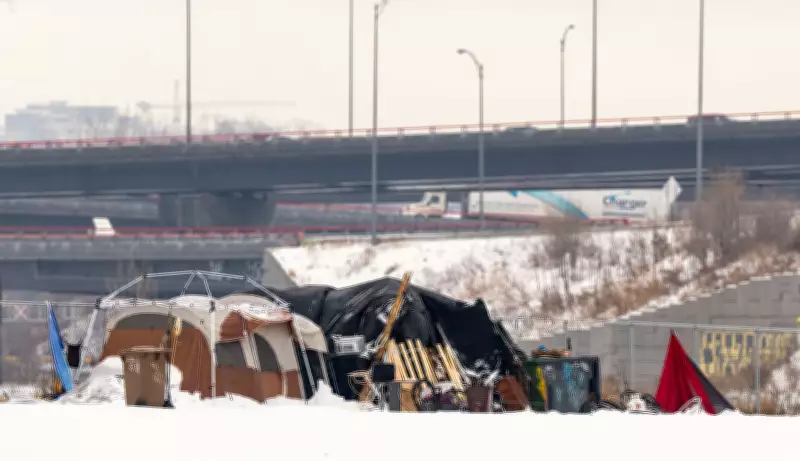
This policy shift comes in response to the increasing visibility of homeless encampments in urban centers, including areas near major infrastructure like highways. The cities acknowledge that encampments are a symptom of broader systemic issues, including a lack of affordable housing, the high cost of living, and gaps in the social safety net.
"Our goal is not to simply move people from one location to another," explained a joint statement from the cities. "It is to provide a pathway out of homelessness with dignity and respect. This requires a coordinated, regional effort that addresses the root causes."
The strategy also outlines protocols for situations where public health or safety risks necessitate the relocation of an encampment. In such cases, the cities pledge to provide ample notice and ensure alternative shelter or housing is immediately available for all affected individuals.
A Broader Context of Municipal Action
The announcement places Montreal and Longueuil among a growing number of Canadian municipalities seeking innovative solutions to homelessness. The approach reflects a broader trend in urban policy that recognizes the limitations of punitive measures and emphasizes harm reduction and social investment.
Implementation of the strategy will begin in the coming months, with both cities committing to regular public updates on progress and outcomes. Success will be measured not by the number of encampments cleared, but by the number of individuals successfully transitioned into stable housing and support systems.