New York City's incoming mayor is reaching across political lines in an effort to address one of the city's most pressing challenges. Mayor-elect Zohran Mamdani has expressed his intention to meet with former President Donald Trump to discuss strategies for improving affordability in the nation's largest metropolis.
Cross-Political Collaboration for Urban Solutions
The surprising development comes as Mamdani prepares to take office facing significant economic pressures affecting New York residents. The meeting would represent a rare instance of political cooperation between figures from opposing parties, highlighting the severity of affordability concerns in major urban centers.
Mamdani's outreach to the former president demonstrates his commitment to exploring all available options for addressing the cost of living crisis. The proposed discussion would focus specifically on practical solutions that could benefit New York City residents struggling with housing costs, transportation expenses, and daily living expenditures.

Timing and Context of the Proposed Meeting
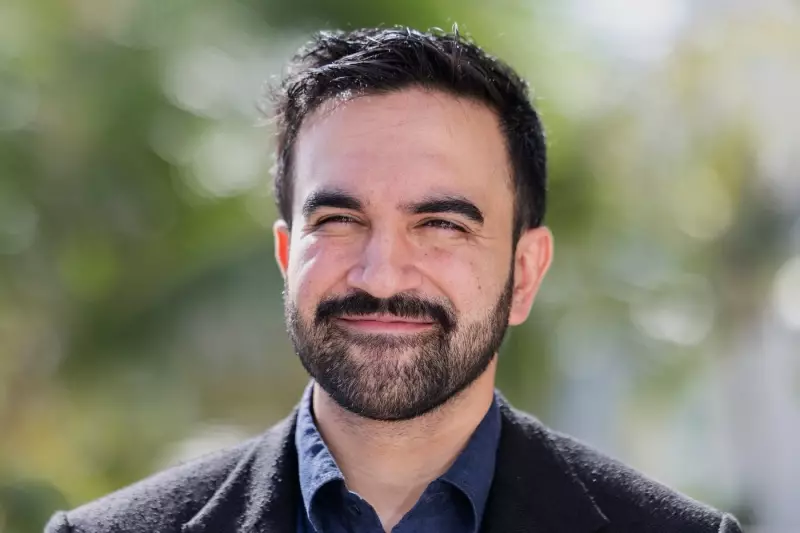
The announcement follows Mamdani's recent participation in the SOMOS Puerto Rico conference in San Juan, where he was photographed departing El Hotel Caribe Hilton on November 8, 2025. The timing suggests the mayor-elect is prioritizing economic issues immediately upon assuming office, recognizing the urgent need for comprehensive solutions.
While specific details about the potential meeting agenda remain undisclosed, sources indicate the conversation would center on federal resources and policy approaches that could complement local initiatives. Both figures bring distinct perspectives to the table, with Trump's experience in real estate and urban development potentially offering valuable insights.
Broader Implications for Urban Policy
This unusual political alignment underscores how affordability challenges transcend traditional party lines. Major cities across North America, including Canadian urban centers, face similar pressures that require innovative approaches and sometimes unexpected partnerships.
The outcome of this potential meeting could set important precedents for how municipal leaders collaborate with federal figures, regardless of political affiliations. As cities grapple with post-pandemic economic realities, such cross-party dialogues may become increasingly necessary to develop effective solutions.
Observers will be watching closely to see if the meeting materializes and what concrete proposals emerge from the discussion. The collaboration could signal a new approach to urban governance focused on practical results rather than political alignment.