Ontario Government Takes Action to Lower Housing Costs Through Development Charge Reforms
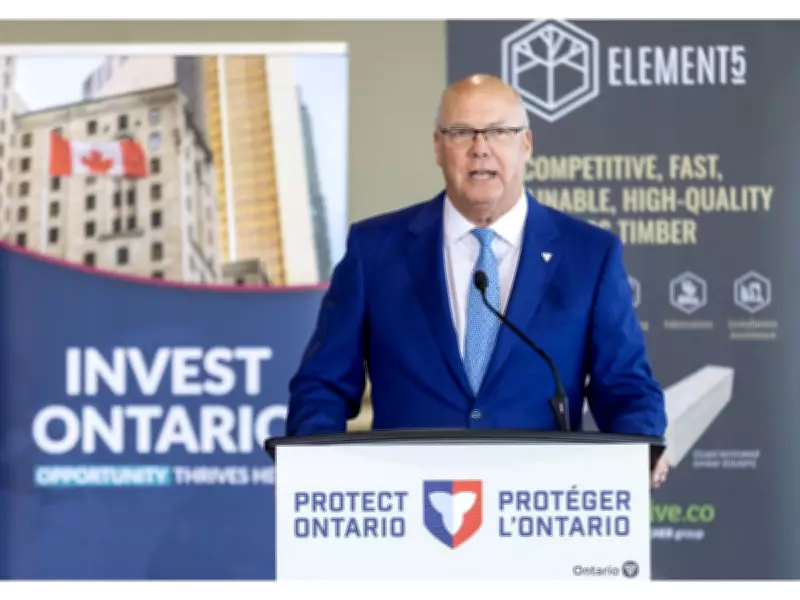
In a bold move to address the escalating housing affordability crisis, Ontario's Minister of Municipal Affairs and Housing, Rob Flack, is spearheading initiatives to overhaul the province's development charge system and streamline the planning process. This effort comes as new-home buyers face mounting financial burdens, with development charges significantly inflating construction costs.
The Historical Context of Development Charges
Development charges, or DCs, were introduced in Ontario in 1997 under the Development Charges Act, granting municipalities taxing authority to fund infrastructure for new developments. Initially framed as a measure of fairness to prevent existing homeowners from subsidizing new construction, these charges have since evolved into a complex web of fees. Municipalities have expanded DCs to cover a wide array of expenses, including public transit, parks, recreation facilities, libraries, road maintenance, police services, ambulances, and schools.
This expansion has created a hidden tax burden on new-home buyers, as developers pass these costs onto purchasers who are not yet local voters. Politicians often favor this approach because it avoids raising property taxes for current constituents, who are more likely to vote. However, this dynamic has contributed to a perfect storm that stalls growth, making it inherently difficult to build new homes in Ontario.

Challenges in the Current System
The planning process in Ontario is fraught with entanglements that hinder homebuilding. Neighbors of greenfield projects frequently oppose development to preserve open spaces, and municipalities struggle to fund new infrastructure from existing tax revenues. Over the years, DCs have added a substantial financial load on new-home buyers, while the bureaucratic planning framework seems designed to thwart progress rather than facilitate it.
Something needed to change, and Minister Flack, with his business background, has taken up the challenge. Rather than ignoring or superficially addressing these underlying problems, Flack is determined to implement meaningful fixes that could transform the housing landscape in Ontario.
Short-Term and Long-Term Solutions
The first steps in Flack's strategy involve short-term measures to quickly prime the homebuilding pump. These include cutting development charges in half by transferring cash to municipalities from provincial and federal taxpayers, as well as eliminating the Harmonized Sales Tax (HST) on new builds. While these tax-dollar transfers are not ideal long-term solutions, they are fast-acting interventions aimed at providing immediate relief.
However, Flack is not stopping there. He has introduced Bill 98, the Building Homes and Improving Transportation Infrastructure Act, which aims to make the planning process more efficient and effective. The details of the act are complex, but its direction is clear: to reduce red tape and accelerate housing construction. Key components include helping municipalities amortize infrastructure costs through tools like the Wastewater Public Corporations Act and increasing provincial involvement in local planning to overcome municipal hurdles.
Potential Roadblocks and Future Outlook
This reform effort is not without its challenges. Ontario has 444 municipalities, along with numerous non-government organizations (NGOs), that may resist changes to the current byzantine planning process. A small cadre of professionals benefits from protracted planning, making reform a contentious battle. Despite this, Flack's commitment to fixing the system offers hope for progress.
The high cost and frustrating timeframe for building in Ontario have become an embarrassment, undermining the province's goal of being the best place to live, work, and raise a family. As the usual suspects argue to stall growth and keep housing expensive, it is crucial to support initiatives that promote affordability and accessibility. With Flack at the helm, there is a renewed focus on creating a more sustainable and equitable housing market for all Ontarians.