Ottawa Council Approves Controversial 'Bubble Bylaw' Despite Legal Concerns
Ottawa City Council has passed a contentious "bubble bylaw" with overwhelming support, despite warnings about potential overreach, unintended consequences, and the possibility of future legal challenges. The bylaw, officially titled the safe access to vulnerable infrastructure bylaw, will take effect on August 1, 2024.
Key Provisions and Voting Results
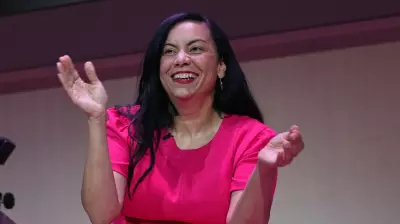
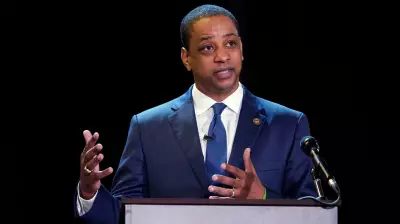
The new regulation prohibits demonstrations within 50 metres of schools, hospitals, long-term care centres, and community health facilities. Councillors approved the measure by a decisive 20-4 vote. The dissenting votes came from Capital Councillor Shawn Menard, Knoxdale-Merivale Councillor Sean Devine, Gloucester-Southgate Councillor Jessica Bradley, and Somerset Councillor Ariel Troster.
Failed Amendment Attempts
Two motions seeking to amend the bylaw and roll back some restrictions were defeated during the council session:

- Bradley's Motion: Councillor Jessica Bradley introduced a motion to limit the bylaw's application "only during periods when the social infrastructure is being used for its primary operational purpose and not during periods when the facility is being used for unrelated third-party activities." Bradley argued this would bring "balance and clarity" to the regulation, emphasizing the need to protect both safe access to essential services and the right to peaceful demonstration. Councillors narrowly defeated this motion by a 14-10 margin.
- Devine's Motion: Councillor Sean Devine proposed removing a clause that categorically prohibits demonstrations within safe access zones. Devine warned the bylaw represents a "slippery slope" and cited constitutional law experts who had previously cautioned about potential overreach. "Today it is schools and places of worship, tomorrow it is convention centres, then city facilities. Eventually, anything that makes people uncomfortable becomes a reason to move dissent out of sight," Devine argued. "History shows us we do not become safer by gagging dissent." This motion was defeated by an 18-6 vote.
Councillors' Concerns About Democratic Rights
Several councillors expressed significant concerns about the bylaw's impact on fundamental democratic rights. Councillor Shawn Menard stated that expressing dissent is "fundamental" to democracy, particularly in the nation's capital. Menard argued that existing laws already make it illegal to block safe access to vulnerable places without needing this additional bylaw. "It would be naive to think that this restriction of free speech and dissent is about safe access," Menard said. "This is about silencing dissent where legitimate peaceful assembly is both necessary — sometimes uncomfortable — and essential."
Background and Context
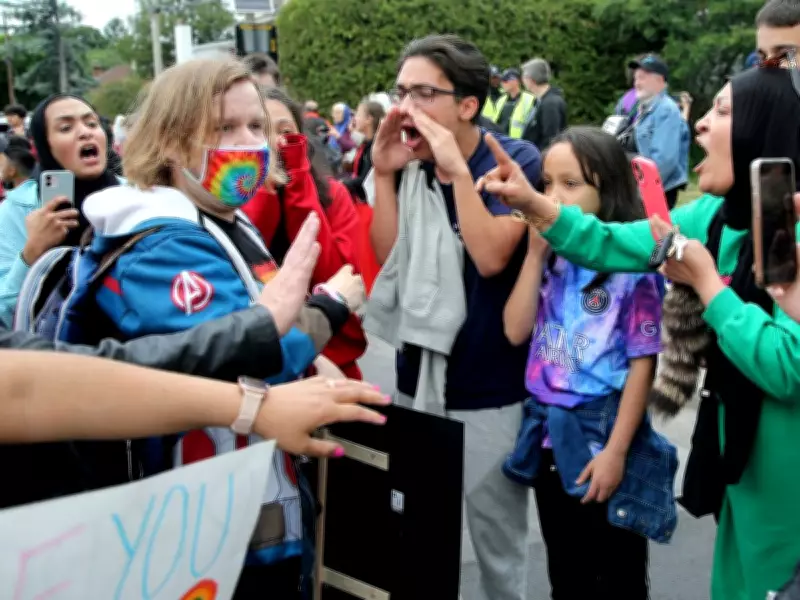
The debate over the bubble bylaw comes amid ongoing tensions between protest groups and vulnerable institutions. The issue gained particular attention following a verbal confrontation between Pride and anti-Pride protesters near a Broadview Avenue school in June 2023. Proponents argue the bylaw is necessary to ensure safe access to essential services, while opponents contend it represents an unconstitutional restriction on peaceful assembly and free expression.
The council's decision moves forward despite clear warnings about potential legal challenges. Constitutional experts have previously questioned whether such restrictions can withstand Charter scrutiny, particularly given Canada's strong protections for freedom of expression and peaceful assembly. The bylaw's implementation will now proceed, setting the stage for potential court battles and continued public debate about the balance between public safety and democratic freedoms.