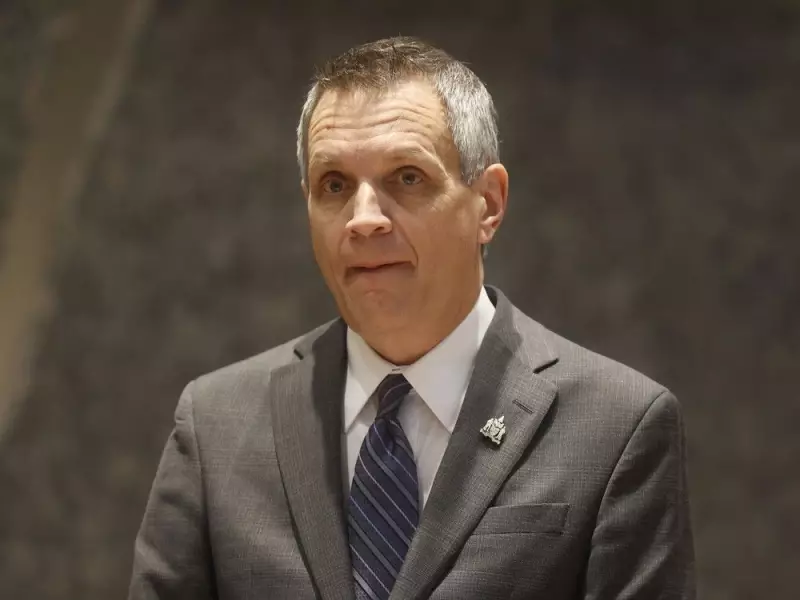
Mayor Mark Sutcliffe has tabled a draft budget for 2026 that centers on stability and a balanced approach to municipal finances, headlined by a proposed 3.75 per cent property tax increase.
Financial Impact on Ottawa Households
This tax adjustment means the average Ottawa household can expect to pay approximately $166 more on their property tax bill next year. Mayor Sutcliffe emphasized that this planned increase is the lowest among major Canadian cities over the past three years, following hikes of 3.9 per cent in 2025 and 2.5 per cent in both 2023 and 2024.
Significant efforts have been made to find efficiencies, with the city administration identifying $253 million in savings during this council term. Sutcliffe stated this equates to a 12 per cent tax increase that was avoided, saving the average household around $530 since 2023.

Key Investments and Strategic Priorities
The 2026 budget outlines substantial investments across several critical areas. A major boost is planned for public safety, with increased funding for the Ottawa Police Service and Ottawa Paramedic Service, enabling the hiring of more officers and paramedics. The mayor noted that these investments have already contributed to an 80 per cent reduction in "level zero" events—periods when no ambulances are available citywide—during his tenure.
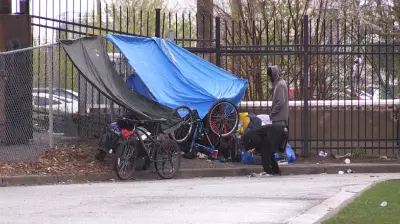
Support for vulnerable residents is another cornerstone of the financial plan. The budget allocates $222 million to critical support programs, plus an additional $23.25 million for affordable housing. This funding is projected to help create more than 850 affordable housing units during this council term, more than double the 411 units achieved in the previous term.
Further targeted investments include $400,000 for the youth homelessness action plan and new funding for food security initiatives, as requested by the city's food banks.
Transit and Infrastructure Funding
Public transit is set to receive a significant financial lift, partly due to a historic provincial commitment made during the 2025 election to upload Light Rail Transit (LRT) costs. Mayor Sutcliffe described this as a transformative opportunity that will free up $85 million annually for reinvestment into the transit system.
"We're able to invest more in public safety, more in public transit, more in affordable housing, more in supporting our most vulnerable, and more in repairing our roads and sidewalks," Sutcliffe said, confirming that the 2026 budget directs historic amounts of funding to each of these key priorities.