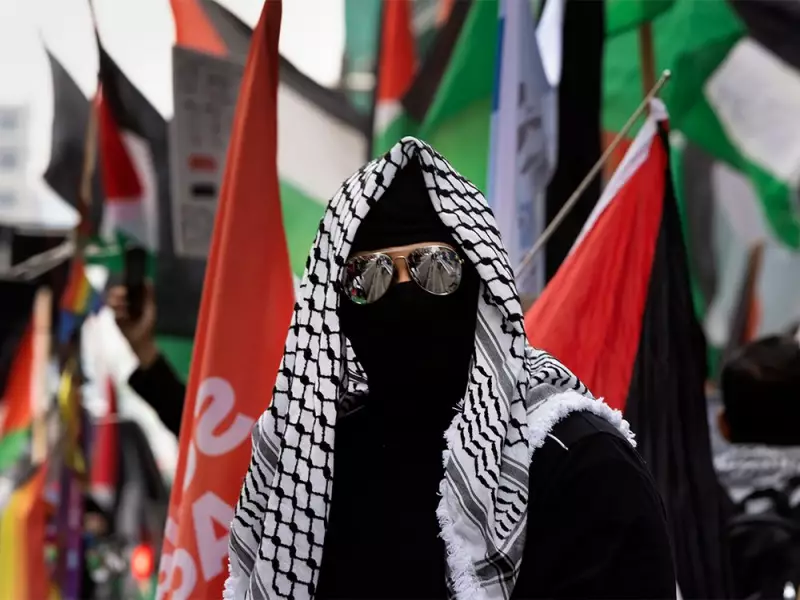
Former Environmental Commissioner of Ontario Dianne Saxe has issued a stark call to action, demanding that Premier Doug Ford and Mayor Olivia Chow provide unequivocal leadership to restore public safety in Toronto. Saxe argues that the city's response to persistent intimidation and harassment by masked protesters has been grossly inadequate for two years, damaging Toronto's livability and international standing.
Leadership Vacuum on Public Disorder
Saxe contends that while Solicitor General Michael Kerzner correctly identified the failure of Toronto's response, the fault lies not with police but with political leaders. She draws a historical parallel to the aftermath of the Christie Pits riot in 1933, when Mayor William Stewart swiftly banned Nazi symbols in public spaces, effectively ending such displays. "Why is there no such leadership from Premier Doug Ford and Mayor Olivia Chow?" Saxe asks. She insists that, at a minimum, both leaders must publicly delineate which words and actions in public spaces will lead to arrest and prosecution, and then ensure their governments enforce those rules.
The columnist emphasizes that everyone in Toronto has a right to live peacefully and safely in their communities. For two years, she writes, leadership inaction has stripped this right away, particularly from the Jewish community, but also from residents who simply wish to shop, use parks, or celebrate without disruption. The chronic disorder includes blocking traffic, disrupting parades, harassing shoppers and subway riders, and marching through ethnic neighbourhoods.

The Limits of Police Action and Unanswered Questions
Saxe acknowledges police efforts, noting that the Hate Crime Unit has been tripled in size. Law enforcement has spent tens of millions of dollars on demonstration oversight, protection for vulnerable institutions, and investigations. They have made hundreds of arrests and laid hundreds of charges, and have so far prevented major physical violence, including charging three armed men allegedly hunting Jewish women.
However, she states this is insufficient without clear rules from elected officials. Saxe poses a series of critical, unanswered questions that Ford and Chow must address: Is it legal to shout slogans from the charter of Hamas, a recognized terrorist entity, or wave its flag? What activities can protesters disrupt with impunity? Why can mobs hide behind masks when it is illegal to be masked during an unlawful assembly? Why do bylaws seem unenforced for these groups? Are there any limits to hate speech against Jews or other minorities?
Mounting Frustration and a Call for Clarity
The impact of this prolonged disorder is widespread. Saxe reports hearing repeatedly from constituents fed up with the failure to end the disruptions, from people who are justifiably afraid and avoiding downtown, and from outsiders shocked at Toronto's decline. She warns that in a city infected with such conduct, haters flourish, swastikas appear, mezuzahs are stolen, and schools and synagogues are vandalized.
Saxe's conclusion is direct: For public safety, Toronto needs action from its top elected officials. She calls on Ford and Chow to clearly state what will and will not be tolerated. If new laws are needed, they must pass them. If federal help is required, they must ask for it. The current ambiguity, she argues, empowers those who seek to create chronic disorder and fear, undermining the fundamental rights of all Torontonians.