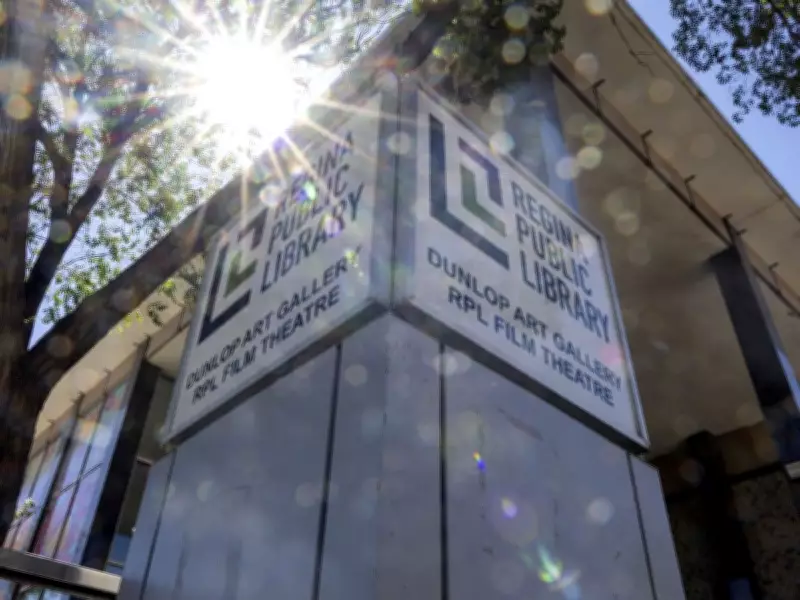
Regina's Central Library Future Hangs in Balance as City Debt Limits Block Municipal Funding
With city funding now at a premium and sufficient debt room no longer available under Regina's borrowing limit, a new report from city staff offers several ideas to keep the Central Library renewal project alive. The Regina Public Library has been seeking to replace its 60-year-old Central Branch, but the project's future fell into limbo last week when a new debt report for city council laid out a $1-billion list of capital projects without including RPL's plan to renew its anchor branch in downtown Regina.
Shock and Disappointment for Library Board
RPL's board expressed shock at the exclusion, since council had promised in 2024 to set aside up to $119 million in debt room for the venture, which has been 14 years in the making. The renewal project is projected to cost between $125 million and $150 million, creating a significant financial challenge for the city.
A fresh report coming to council this Wednesday outlines what city administration feels are other ways to fund the project without borrowing against Regina's maxed-out debt limit. These alternatives represent crucial pathways forward for a community institution that has served residents for six decades.

Tax Increase Options Under Consideration
One primary option involves raising taxes through dedicated library mill rates. In 2024, council agreed to a dedicated library mill rate of 5.5 percent to service the interest on the promised debt. That mill rate could remain in place, collecting about $140 million by 2036, but it would mean delaying construction for at least eight years.
Increasing that mill rate to 10 percent would raise $127 million by 2033, while a 20-percent hike would raise $125 million by 2030, but still delay the project three to five years. For the average household, these increases would translate to paying an extra $12 per year, $21 per year, or $42 per year in taxes respectively.
However, RPL board chair Marj Gavigan pointed out that the mill rate option relies on council approving it every year at budget time, which is never guaranteed. This creates uncertainty for long-term planning and project viability.
Renovation as a Cost-Saving Alternative
Another approach involves scaling down ambitions or renovating the current central branch instead of pursuing a total rebuild. City administration suggests the board could use the $18.5 million it has already saved and collect $51 million from the dedicated mill rate to fund a renovation by 2030.
This option would require a new engineering review on the state of the aging 60-year-old library, as the last renovation estimates are from 2015. RPL has already sought developers for the renewal, and the city suggested limiting the budget for those proposals to just $51.2 million, or whatever RPL can raise itself through alternative means.
Broader Context of Municipal Financial Constraints
The Central Library situation reflects broader financial challenges facing Regina's municipal government. With debt room limited and competing capital projects totaling $1 billion, difficult decisions must be made about community priorities and infrastructure investments.
The library renewal represents not just a building project but a commitment to public education, community gathering spaces, and access to information resources. As Regina continues to grow and evolve, the Central Library's role in serving diverse populations becomes increasingly important.
City council faces the complex task of balancing fiscal responsibility with community needs, weighing immediate financial constraints against long-term benefits for residents. The upcoming discussions will determine whether Regina can find a viable path forward for this essential public institution.