In a significant development for the local business community, Reptilia and the City of London have announced the amicable conclusion of their legal dispute. The disagreement centered on regulations governing the display of exotic animal species within the city.
Details of the Resolution
The announcement was made public on January 15, 2026. Both parties have agreed to end the litigation without further details of the settlement being immediately disclosed. The dispute had been a point of contention for some time, involving Reptilia's operations at its location within the Westmount Commons Shopping Centre in London, Ontario.
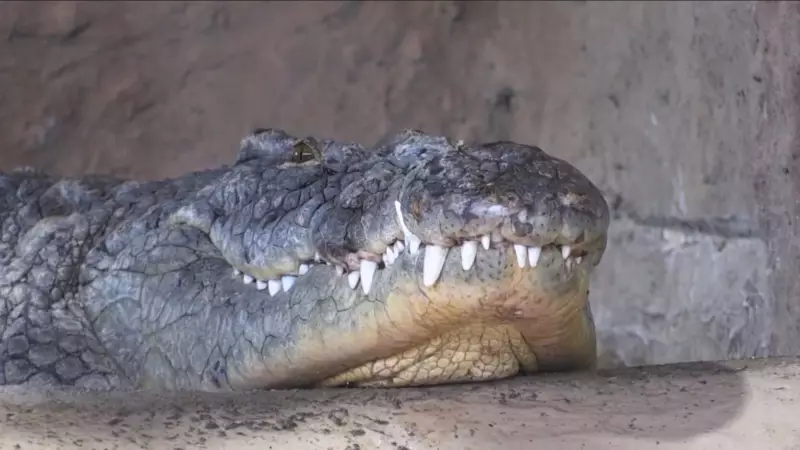
Reptilia, which houses various reptiles and exotic animals including crocodiles, found itself at odds with municipal bylaws. The specific points of legal contention pertained to the interpretation and application of city regulations concerning exotic animal exhibits and public safety standards.

Implications for the Community
The resolution avoids what could have been a prolonged and costly court battle for both the private enterprise and the municipal government. An amicable end suggests a negotiated compromise was reached, potentially involving updated operational protocols for Reptilia or clarifications to city regulations.
This outcome is seen as positive for the local economy, allowing a unique attraction to continue operating while ensuring community standards are met. It also prevents the diversion of significant public funds into extended legal proceedings.
Looking Forward
With the legal cloud lifted, Reptilia can now focus on its future at the Westmount Commons location. The resolution provides clarity for other businesses in London regarding the regulatory environment for unique entertainment and educational venues.
The case highlights the ongoing balance municipalities must strike between fostering diverse business offerings and upholding public safety and regulatory frameworks. The amicable conclusion sets a cooperative precedent for resolving similar issues in the future.