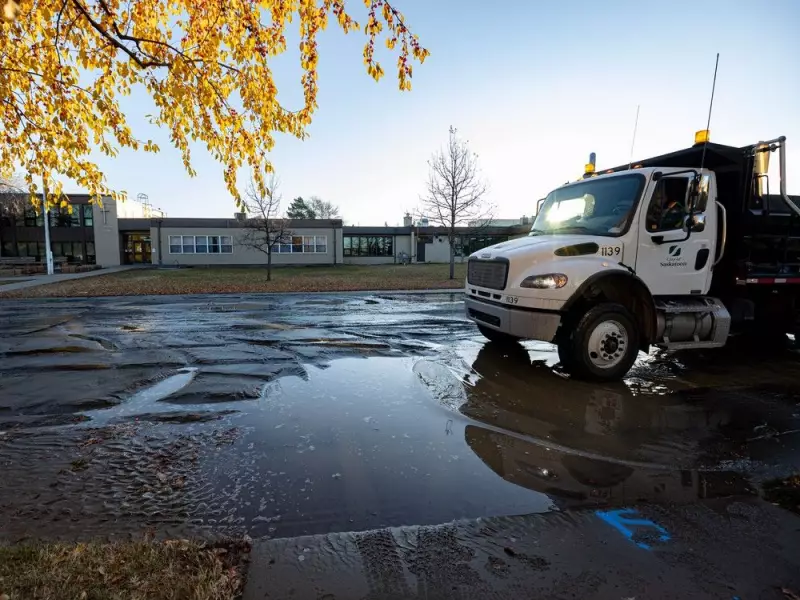
Despite urban growth, Saskatoon's water infrastructure is unlikely to suffer the kind of catastrophic failure that hit Calgary in 2024, according to the city's water director. The key lies in vigilant monitoring and a less complex system.
Proactive Monitoring Over Reactive Repairs
Russ Munro, director of Saskatoon Water, emphasized that the city has long maintained a careful watch over its critical water mains. He stated that multiple major breaks would need to occur simultaneously to force the kind of widespread water restrictions seen in Calgary.
"Because they are more critical, we have a more intense review program for those pipes," Munro explained. This proactive approach allowed crews to repair a weak spot in a pipe similar to Calgary's failed feeder main during the summer of 2025, preventing a catastrophic failure.

Comparing Systems and Managing Risk
Munro pointed to a fundamental difference in system complexity. "We don't need to manage as many pressure zones as Calgary does," he said, referencing the major break that crippled Calgary's water system for months starting in June 2024.
Saskatoon's primary network consists of approximately 118 kilometres of large-diameter water mains, known as fill or primary mains. These pipes, ranging from 400 mm to 1350 mm, serve the same essential function as the broken Calgary feeder main.
The city assesses both reliability (the likelihood of failure) and resiliency (the ability to isolate a break and reroute water). The greatest identified risk is the simultaneous failure of more than one main.
A Track Record of Stability
Historical data supports the city's confidence. Since 2007, Saskatoon has averaged 7.94 water main breaks per year, with a low of three and a peak of 23 in 2008. Crucially, none of these incidents have ever required city-wide water restrictions.
Munro identified environmental factors like ground movement and frost heaving as the primary drivers for breaks in Saskatoon. Council support for robust asset management plans has been crucial in maintaining this stability.
Looking ahead, the city notes that a new water treatment plant planned for the east side will further enhance system resiliency. A recent information report confirmed that current service levels for potable water, wastewater, and stormwater are being met, with about 20% of stormwater infrastructure rated in poor condition.