Surrey, British Columbia's second-largest city, has long been characterized by a profound north-south divide that shapes the daily lives and perceptions of its residents. As the city projects a population surge to one million by 2050, potentially surpassing Vancouver, the question looms: can these two solitudes ever merge into a cohesive urban identity?
The Stark Contrasts Between North and South Surrey
Rosalie Cataghal, a semi-retired hair stylist living in South Surrey, exemplifies the southern perspective. She chose the area for its middle-class ambiance and cites concerns about homelessness and crime as reasons she rarely ventures north. The 2007 Surrey Six murders in Whalley left a lasting negative impression that continues to influence her behavior.
"I don't go to stores in north Surrey's Guildford or City Centre neighborhoods," Cataghal explains. "I'd rather drive to Langley." A homeowner for over two decades, she has helped her three adult children with down payments, ensuring they all live nearby in what she considers safer, more desirable surroundings.

The Northern Perspective: Challenging Stereotypes
Latifah Mohamed, 26, offers a counterpoint from north Surrey's Whalley neighborhood where she has lived her entire life. Despite planning to raise her newborn daughter there, she constantly confronts negative perceptions from outsiders.
"People almost look down on you for it and you get stereotyped into all of it, like the crime," Mohamed says. "If you ask someone from South Surrey where they live, they will always say 'South Surrey.' They will never just say 'Oh, I live in Surrey' because I think they don't want that reputation of being with the rest of Surrey."
Mohamed actively works to challenge these perceptions. "I try to show people the other side because Surrey has changed so much, it's really developed. I honestly don't think it's that dangerous and I don't think it deserves to have the reputation it does."
Statistical Realities Behind the Divide
The numbers reveal substantial differences between the two areas. South Surrey, bounded by the ocean to the west and the American border to the south, represents the city's largest town centre with distinctive characteristics:
- Eighty percent of residents own their homes
- Ninety-six percent rely on personal vehicles rather than public transit
- The average household income reaches approximately $132,400
The remainder of Surrey presents a more complex picture. While Cloverdale to the east and Fraser Heights above the Fraser River share some characteristics with South Surrey in terms of higher incomes and homeownership rates, the northern regions overall show greater diversity in housing, transportation, and economic circumstances.
Urban Growth and Development Challenges
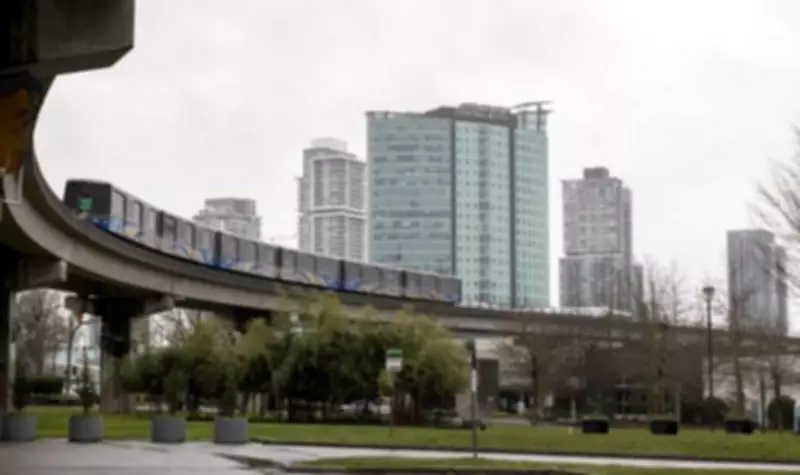
City Centre at the heart of north Surrey features an expanding skyline of new residential highrises, symbolizing the city's rapid growth. As Metro Vancouver's largest city by land area at approximately 316 square kilometres, Surrey continues to wrestle with creating unity during this expansion.
The challenge extends beyond perception to practical urban planning. With such different transportation patterns, housing markets, and community identities between north and south, municipal leaders face complex decisions about infrastructure, services, and community development that must address both areas' distinct needs while fostering greater connection.
As Surrey approaches its projected milestone of one million residents, the question of whether the city can bridge its internal divide becomes increasingly urgent. The experiences of residents like Cataghal and Mohamed highlight both the persistence of historical divisions and the potential for changing perceptions as the city continues to evolve.