Toronto Land Acknowledgments Face Criticism as Media Figures Question Their Implementation
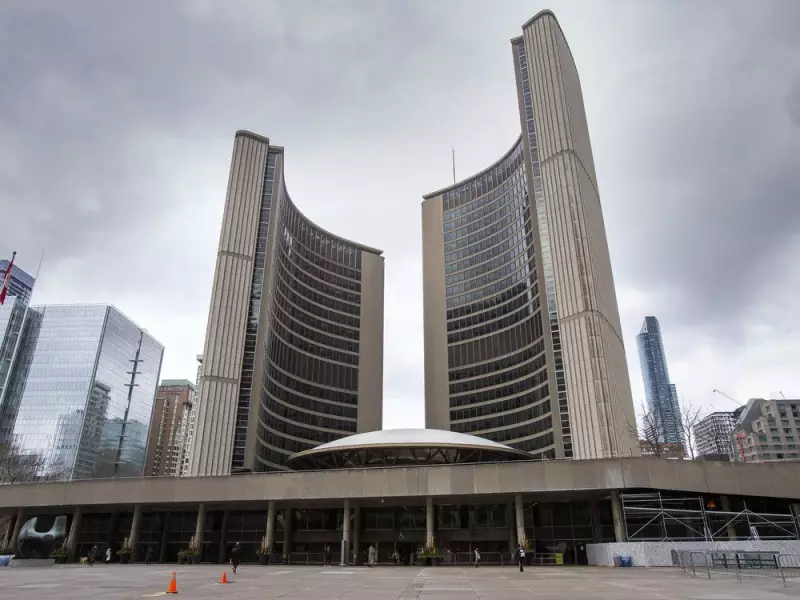
In a recent discussion that has ignited debate across Toronto, Sun Editor-in-Chief Adrienne Batra sat down with political columnists Lorrie Goldstein and Brian Lilley to examine what they describe as the "absurdity" of land acknowledgments in the city. The conversation, which took place against the backdrop of Toronto City Hall, has raised questions about the purpose and execution of these formal recognitions of Indigenous territories.
Media Figures Challenge Current Practices
Batra's "Burning Questions" segment focused specifically on how land acknowledgments have evolved in Toronto, with the panel suggesting they have taken what they characterize as a "wacky turn." The discussion delved into the practical implementation of these statements, which are meant to acknowledge the traditional territories of Indigenous peoples before events and gatherings.
The criticism centers on whether these acknowledgments have become performative rather than meaningful, with the panel questioning if they effectively advance reconciliation or have devolved into empty gestures. This conversation comes at a time when many institutions across Canada are grappling with how to appropriately recognize Indigenous history and presence.

Broader Context of Indigenous Recognition
Land acknowledgments have become increasingly common in Canadian public life, appearing at everything from city council meetings to academic conferences and cultural events. They represent one aspect of the broader reconciliation movement following the Truth and Reconciliation Commission's calls to action.
However, the Toronto Sun panel's discussion highlights growing concerns about how these acknowledgments are delivered and received. Some critics argue they risk becoming rote recitations that fail to engage with the substantive issues facing Indigenous communities, while supporters maintain they serve as important reminders of colonial history and ongoing Indigenous presence.
Public Engagement and Response
The publication has invited readers to share their perspectives on the matter, offering multiple avenues for public engagement:
- Commenting directly on the article in the designated section
- Submitting letters to the editor for potential publication
- Engaging with the Toronto Sun's YouTube channel for additional content
This approach reflects the media outlet's commitment to fostering dialogue around contentious political and social issues. The discussion about land acknowledgments touches on deeper questions about how municipalities like Toronto navigate their relationships with Indigenous communities while addressing contemporary urban governance challenges.
The conversation emerges as Canadian cities continue to develop and refine their approaches to reconciliation, with Toronto serving as a significant case study given its size and diversity. How these acknowledgments evolve in response to criticism like that voiced by Batra, Goldstein, and Lilley may signal broader shifts in how public institutions approach Indigenous recognition moving forward.