Mayor Olivia Chow's initiatives to overhaul Toronto's garbage management and implement a paid snow shovelling program were key topics at Tuesday's executive committee meeting, highlighting efforts to improve city infrastructure and resident satisfaction.
Garbage Bin Overhaul Proposal
During the meeting, Mayor Chow and Councillor Paula Fletcher advocated for the city to take back ownership and maintenance of garbage bins, currently managed under a contract with Astral Media set to expire next year. This agreement, established in 2007, provided 25,000 pieces of street furniture, including transit shelters and bins, at no cost to the city in exchange for advertising rights.
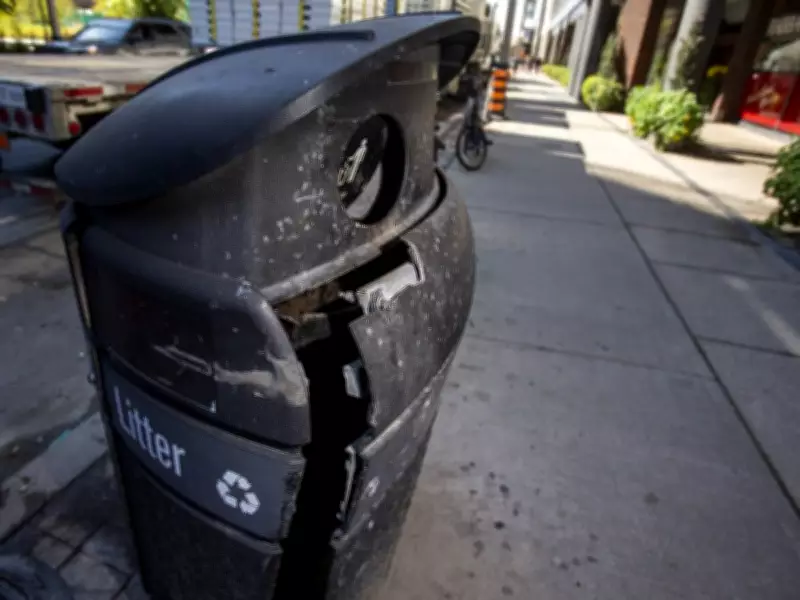
Chow and Fletcher argue that separating garbage bins from street furniture contracts aligns with current industry standards. They cited issues with five different bin designs over the contract's lifespan, leading to maintenance and installation problems that result in broken and overflowing bins on major streets.

"With the contract ending, the City can now step in to ensure our litter bins are well designed, well-maintained, well-placed, responsive to community needs and end the persistent problem of broken and overflowing litter bins that make our main streets less livable," they stated in their proposal. The city is seeking cost estimates from solid waste and transportation managers for installing and maintaining the bins independently.
Paid Snow Shovelling Program
In response to numerous complaints about delayed snow clearance on roads and sidewalks this winter, Mayor Chow proposed a paid snow shovelling program modelled after New York City's successful approach. She recommends that council direct city managers to develop this program for implementation by the 2026-2027 winter season.
This initiative follows a 2021 council vote to expand sidewalk snow plowing to all sidewalks, shifting responsibility from residents to the city. However, challenges with sidewalk plows have persisted, frustrating residents. Chow noted that legal liability and operational details have posed hurdles in creating a paid shovelling system, but she emphasized the need for a surge capacity solution during heavy snowfall events.
Additional Meeting Highlights
The executive committee also addressed several other agenda items:
- An update on the Weston Foundation's $20-million donation to revitalize the public green space north of the Queen's Park building, with community input on ecosystem protection.
- Progress reports on flood protection measures for the Port Lands, including spring installations for Biidaasige Park.
- A proposal from Mayor Chow to create a database tracking properties with multiple complaints, aiming to crack down on bad landlords and improve housing standards.
These discussions underscore Toronto's ongoing efforts to enhance urban livability through strategic policy changes and community engagement.