University Bridge Fire: Four Key Facts About Saskatoon's Recurring Problem
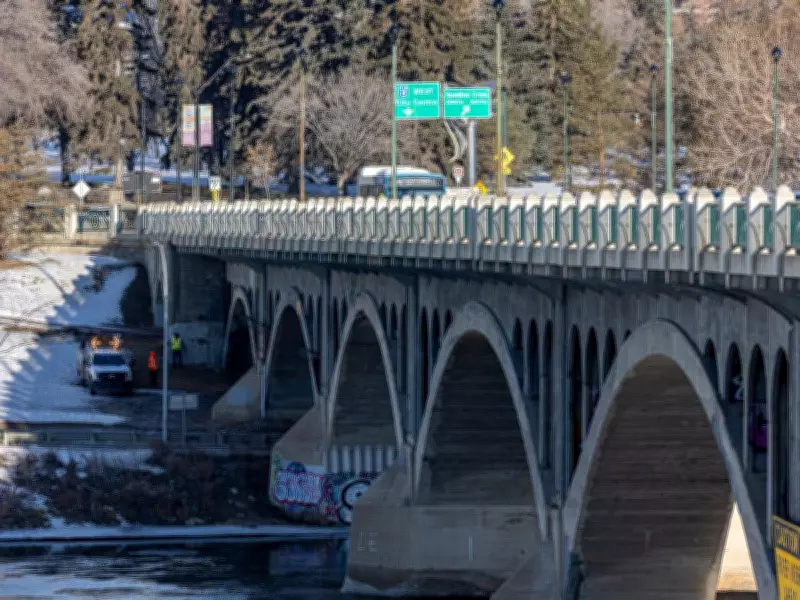
A small fire beneath the University Bridge in Saskatoon prompted the closure of westbound lanes near Spadina Crescent on March 9. Emergency crews worked diligently to clean up frozen wastewater that spilled from a melted sanitary sewer line, highlighting an ongoing issue that has plagued the city for several years.
1 — Comprehensive Review Underway
The Saskatoon Emergency Management Organization is currently conducting an after-action review to develop more effective solutions for mitigating trespassing under the University Bridge. This review, expected to be completed by the end of spring, aims to balance security needs with practical accessibility for essential bridge inspections and utility maintenance.
City officials have emphasized the challenge of securing the area without hindering necessary operations. "It is difficult to get in there to begin with. If you make it like a prison, we can't inspect the bridge," Fire Chief Doug Wegren remarked following a similar incident in 2023. The confined spaces under the bridge complicate both prevention and response efforts.

2 — Current Prevention Measures and Costs
This is not the first time the city has implemented measures to prevent unauthorized access beneath the bridge. Barbed wire and fencing were installed at a cost of $256,000 to deter individuals from climbing into restricted areas. Despite these efforts, fires continue to occur annually, causing significant damage and financial strain.
Brendan Lemke, the city's director of water and waste operations, noted that city council will need to decide whether additional preventive measures are warranted. He also mentioned that there are no security cameras currently placed in the area by the city, leaving a potential gap in monitoring and deterrence.
3 — Repair Challenges and Timelines
Lemke indicated that while repairs might be straightforward in theory, the required parts are not standard, off-the-shelf items. The damaged pipes, made of high-density polyethylene plastic, may not have been replaced since the bridge's rehabilitation in 2015. The plastic melted on the top half due to the fluid moving through it, which acted as a cooling agent, leading to the spillage.
"A week is probably a reasonable timeline. Definitely crossing our fingers to be a bit faster than that," Lemke stated on Monday. The city faces challenges in sourcing materials, as retailers rarely sell in small quantities, potentially delaying the repair process.
4 — Cause, Damage, and Financial Impact
The fire is considered suspicious, with inspectors unable to determine the exact cause. The city confirmed that individuals were present in the secured area where the fire originated. Fortunately, no structural damage was inflicted on the bridge, but the final cost of the incident remains uncertain at this early stage.
In comparison, last year's bridge fire cost the city approximately $90,000. Lemke suggested that this year's fire might incur lower expenses due to easier access for repair crews. However, the recurring nature of these incidents underscores a persistent problem that requires long-term solutions to protect public infrastructure and safety.
The University Bridge fires have become a yearly occurrence, prompting ongoing evaluations and investments to address this costly and disruptive issue. As Saskatoon continues to grapple with these challenges, the focus remains on finding effective prevention strategies while ensuring the bridge remains functional and safe for all users.