Winnipeg Residents Deeply Divided on Proposed Speed Limit Reduction, Survey Finds
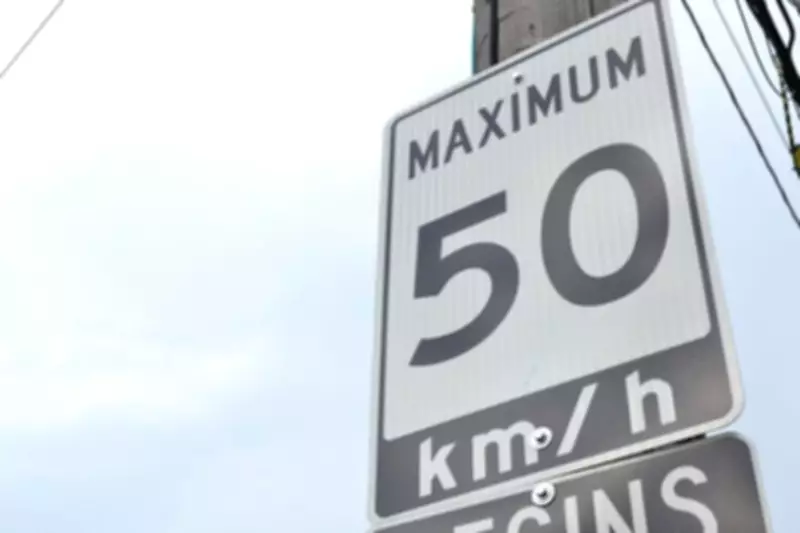
A recent survey conducted in Winnipeg has uncovered a significant deadlock among residents regarding the potential reduction of speed limits within the city. The findings indicate that while there is notable opposition to lowering speed limits, the level of support is slightly weaker, creating a polarized public stance on this critical urban policy issue.
Survey Highlights Strong Opposition Amidst Divided Opinions
The survey, which gathered responses from a diverse cross-section of Winnipeg's population, reveals that the community is almost evenly split on the matter. However, the data shows that opposition to reducing speed limits is marginally stronger than the support for such measures. This deadlock suggests that any move to implement lower speed limits would face substantial public resistance and require careful consideration by city officials.
Proponents of reducing speed limits argue that lower speeds can enhance road safety, reduce the severity of accidents, and create more pedestrian-friendly environments. They point to studies linking lower speed limits with decreased traffic fatalities and improved quality of life in urban areas.

Key Factors Influencing Public Opinion
Several factors appear to be driving the divided opinions among Winnipeg residents:
- Safety Concerns: Many residents express worries about the potential for increased accidents and injuries if speed limits are lowered, fearing it might lead to congestion or frustration among drivers.
- Economic Impacts: Some opponents highlight concerns about the economic effects, such as longer commute times and potential impacts on local businesses reliant on efficient transportation.
- Environmental Considerations: Supporters often cite environmental benefits, including reduced emissions from vehicles traveling at lower speeds, aligning with broader sustainability goals.
The survey underscores the complexity of urban traffic management, where balancing safety, efficiency, and public sentiment is challenging. Winnipeg's experience mirrors debates in other cities grappling with similar issues, as communities worldwide seek to optimize their transportation networks for safety and sustainability.
Implications for Future Policy Decisions
This deadlock presents a significant hurdle for policymakers in Winnipeg. With opposition slightly outweighing support, any proposal to reduce speed limits would likely encounter robust public scrutiny and require extensive community engagement to build consensus. City officials may need to consider phased approaches or pilot programs to test the effects of lower speed limits in specific areas before implementing broader changes.
Moreover, the survey results highlight the importance of transparent communication and data-driven decision-making. Providing residents with clear information on the potential benefits and drawbacks of speed limit reductions could help bridge the divide and foster more informed public discourse.
As Winnipeg continues to grow and evolve, addressing traffic safety and urban mobility will remain a priority. The current deadlock on speed limits serves as a reminder that successful policy implementation often depends on aligning technical solutions with community values and preferences.