Winnipeg Municipalities Withdraw from Capital Planning Region
In a decisive move that underscores growing discontent with regional governance structures, nearly half of the municipalities within the Capital Planning Region have officially severed their ties. This mass exodus follows the controversial rejection of the Plan 20-50, a comprehensive policy framework intended to guide development and planning across the region. The plan, which was voted down in December 2024, has left a void in coordinated efforts, prompting local governments to reassess their participation.
Rejection of Plan 20-50 Sparks Withdrawals
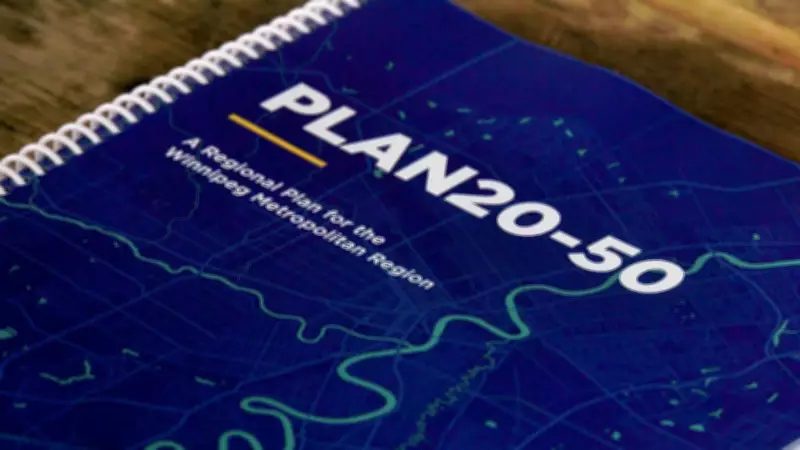
The Capital Planning Region, established to foster collaboration among municipalities on issues such as infrastructure, land use, and economic development, has faced significant challenges in recent months. The pivotal moment came when Plan 20-50, depicted in undated imagery as a forward-looking document, failed to gain approval. This rejection has been cited by many municipalities as a key reason for their withdrawal, highlighting a breakdown in consensus and a lack of effective policy direction.
Experts suggest that this development could lead to fragmented approaches to regional challenges, potentially impacting everything from transportation networks to environmental sustainability. The withdrawals signal a shift towards more localized decision-making, as municipalities seek greater autonomy in addressing their unique needs without the constraints of a broader regional body.

Implications for Regional Governance and Future Planning
The departure of nearly half of the municipalities raises critical questions about the future of regional cooperation in the Winnipeg area. Without a unified framework like Plan 20-50, there is concern that overlapping jurisdictions and conflicting policies could emerge, complicating efforts to tackle shared issues such as urban sprawl, public services, and climate resilience.
Some analysts argue that this move reflects broader trends in municipal politics, where communities are increasingly prioritizing direct control over planning processes. However, others warn that without a cohesive regional strategy, long-term goals like affordable housing and efficient resource management may become harder to achieve. The situation remains fluid, with ongoing discussions about potential reforms or alternative structures to replace the Capital Planning Region.
As municipalities navigate this transition, stakeholders are calling for transparent dialogue and innovative solutions to ensure that regional interests are not sidelined. The outcome of this realignment will likely shape the trajectory of development in Winnipeg and its surrounding areas for years to come, making it a pivotal moment in local governance history.