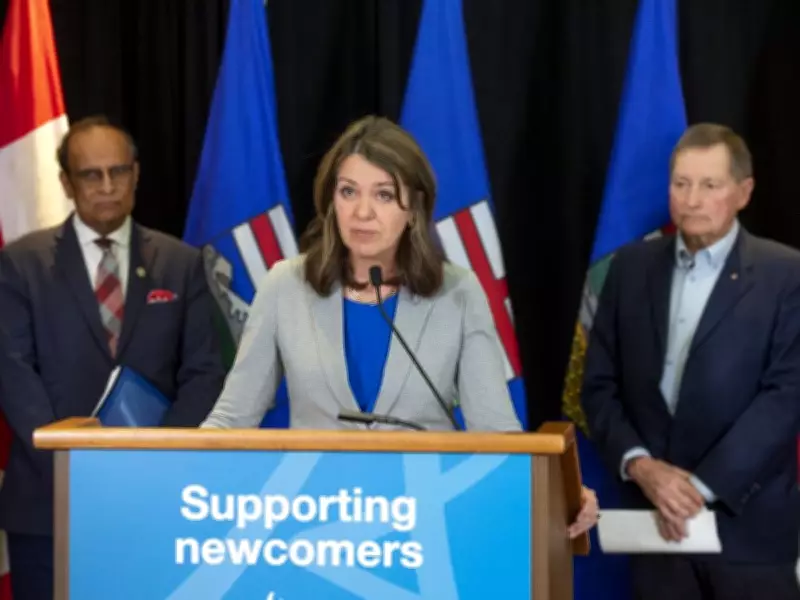
As a fiscal conservative, I believe in balanced budgets and prudent financial planning. Governments should prepare for economic downturns during prosperous times rather than scrambling for explanations when revenues decline. This principle guided my attention to Premier Danielle Smith's recent address ahead of the provincial budget, where she attributed Alberta's deficit to two primary factors: lower oil prices and federal immigration policies.
The Shift from Growth Ambition to Immigration Concerns
Oil price volatility is an inherent reality in Alberta's economy. These fluctuations are predictable and recurring, and responsible governments should incorporate them into their budgeting processes. What raised concerns was how swiftly the premier's speech transitioned from discussing oil market instability to focusing on immigration as the central short-term solution, which then evolved into a push for a referendum mandate.
Just two years ago, Premier Smith spoke ambitiously about doubling Alberta's population to 10 million by 2050, framing growth as a positive objective. However, in her recent address, that same growth—particularly among non-permanent residents—was described as creating unsustainable pressure on classrooms, emergency departments, and social services. This shift in perspective coincides with falling oil prices that have moved Alberta from an $8.3-billion surplus to a projected deficit.

Examining the Fiscal Equation
These economic realities warrant careful examination. What remains unclear is the specific breakdown showing how much of the deficit can be directly attributed to immigration levels. If immigration policy is going to serve as the foundation for major policy shifts and referendum questions, Albertans deserve to see detailed calculations before being asked to vote on such matters.
Alberta's fiscal exposure to oil prices remains the dominant variable in its budget equation. Each one-dollar drop in oil prices reduces provincial revenues by hundreds of millions of dollars annually. These fluctuations alone can account for multibillion-dollar changes in the provincial budget. While immigration affects service demand, it represents just one variable in a broader fiscal equation that includes spending decisions and long-term strategic planning.
The Role of Non-Permanent Residents
According to late-2025 Statistics Canada estimates, non-permanent residents constitute approximately 5.5 to 5.8 percent of Alberta's population. This figure falls below the national average and is already declining as federal immigration caps take effect. Temporary workers and international students contribute to the provincial economy by paying taxes and addressing labor shortages in various sectors.
If population growth has indeed outpaced infrastructure and service capacity, this represents a coordination challenge between different levels of government. The situation calls for better alignment between federal immigration intake levels and provincial planning mechanisms rather than simply launching a sweeping referendum campaign.
The Proper Role of Referendums in Representative Democracy
Referendums certainly have their place in democratic systems, but Alberta operates as a representative democracy. Citizens elect Members of the Legislative Assembly to examine evidence, consult with their communities, and make difficult decisions on their behalf. This representative system requires elected officials to grapple with complex policy consequences before asking voters to endorse specific approaches through referendum questions.
Governance demands careful analysis, evidence-based decision-making, and responsible fiscal management—elements that should precede any consideration of referendum-based policymaking. While public consultation remains important, the fundamental responsibility of governance lies with elected representatives who must balance competing priorities and make informed choices for Alberta's future.