Alberta's Fiscal Framework Contradicted by $9.37 Billion Deficit Forecast
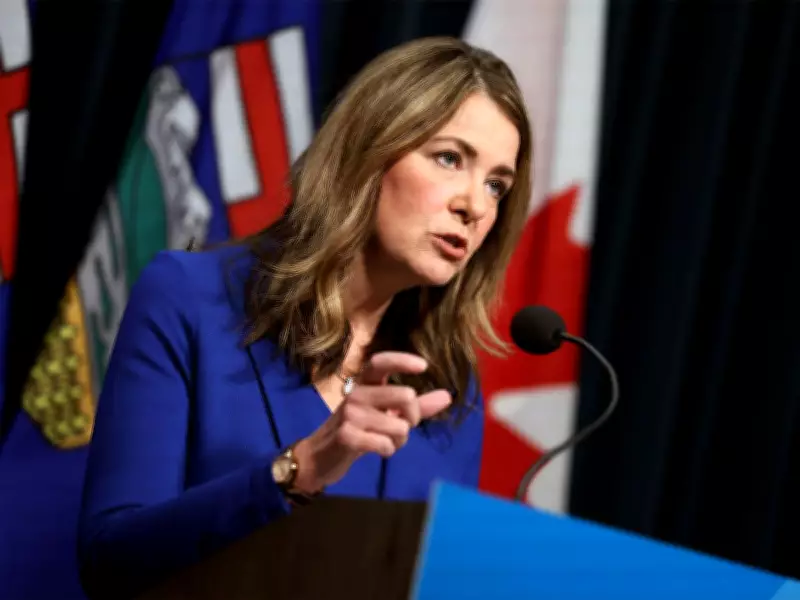
The Alberta government under Premier Danielle Smith has released a budget projecting a substantial deficit of $9.37 billion, with additional shortfalls anticipated in subsequent years. This financial outlook starkly contradicts the government's own fiscal framework legislation and represents a significant departure from the fiscal conservatism historically championed by Smith and her United Conservative Party.
Historical Fiscal Criticism Comes Full Circle
More than a decade ago, Danielle Smith positioned herself as a vocal critic of government deficits, arguing that "short-sighted and reckless spending will have lasting impacts on future generations" and warning about the "long-term pain as we deal with the debt we are taking on today." At that time, she criticized governments for relying on optimistic oil price forecasts and pipeline developments to bail out their budgets.
Now, as premier, Smith presides over a budget that forecasts continued deficits despite her party's 2023 election platform commitment to deliver budget surpluses over four years. The UCP's fiscal framework law, introduced that same year, explicitly permitted deficits only under emergency circumstances—a standard the current budget appears to violate.

Record Spending and Resource Revenue Dependence
The 2026 Alberta budget reveals several concerning fiscal trends:
- Total spending has reached a record level of nearly $84 billion
- This represents an increase of more than $4 billion from forecasts made just over a year ago
- Alberta's reliance on resource revenues has soared to unprecedented levels according to University of Calgary economist Trevor Tombe
- The health care budget alone has ballooned to a record $34.4 billion
Finance Minister Nate Horner previously emphasized the importance of avoiding deficit positions, yet the current budget projects not just one but multiple years of red ink. This shift represents what appears to be a fundamental change in the government's fiscal principles and priorities.
Political Context and Fiscal Conservatism
The budget arrives at a time when Alberta's political landscape seems detached from the fiscal promises made during the last provincial election. The UCP's commitment to balanced budgets has given way to acceptance of substantial deficits, raising questions about the current state of fiscal conservatism in Alberta politics.
The government's approach now appears to mirror the very policies Smith once criticized—relying on resource revenues and hoping for favorable oil market conditions to address budgetary challenges. This represents a complete reversal from her previous position that such reliance constituted irresponsible fiscal management.
As Alberta faces this new fiscal reality, the disconnect between past promises and current policies highlights the evolving nature of political priorities and the challenges of maintaining fiscal discipline in the face of growing spending demands and economic uncertainties.