Alberta's First Recall Petition Falls Short, Demonstrating Legislative Effectiveness
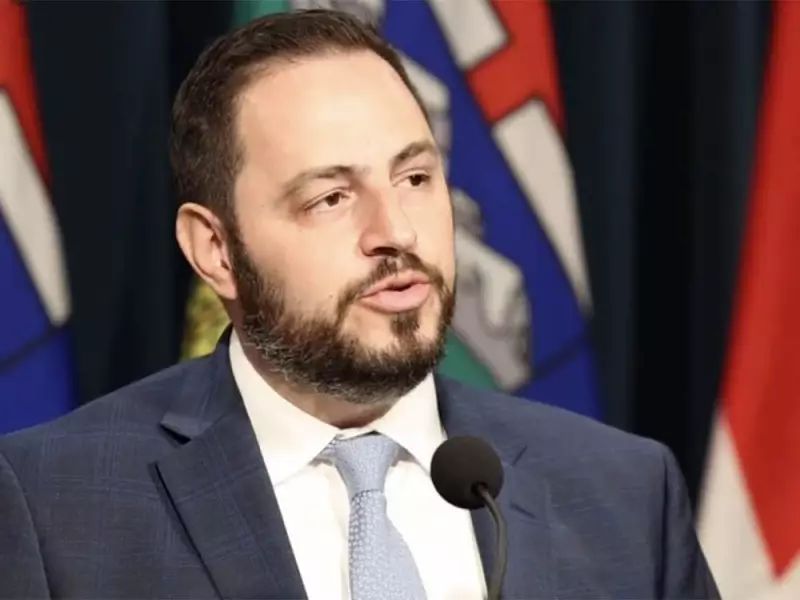
The inaugural recall petition targeting a United Conservative Party MLA in Alberta has concluded without success, mirroring predictions that all such efforts would falter. This development against Education Minister Demetrios Nicolaides highlights the formidable requirements embedded within Alberta's recall legislation, suggesting the system functions precisely as designed to prevent frivolous challenges.
High Threshold Proves Nearly Insurmountable
The campaign against Minister Nicolaides in Calgary-Bow achieved merely 41 percent of the necessary signatures, collecting approximately 6,500 of the required 16,000 before the 90-day deadline expired. This substantial shortfall underscores the significant barrier organizers must overcome: gathering signatures equivalent to 60 percent of the total votes cast in the riding during the previous provincial election.
Such a demanding threshold necessitates widespread, cross-partisan dissatisfaction with a sitting member—far beyond typical political disagreements. The legislation effectively requires what the original columnist described as "real torches and pitchforks fury" to trigger a recall vote, ensuring that only cases of genuine public outrage or serious misconduct proceed.

Historical Precedent from British Columbia
Alberta's recall framework shares similarities with British Columbia's system, which has been operational since 1995. During nearly three decades, Elections B.C. has authorized 30 recall campaigns, with petitions submitted in only six instances. Among those, five failed to secure sufficient valid signatures.
The sole near-success occurred in the case of Liberal MLA Paul Reitsma, who resigned before officials could validate the petition against him. His offense involved writing letters to local editors under pseudonyms to praise himself and criticize opponents—a transgression that generated the rare bipartisan condemnation needed to approach the 60 percent threshold.
Political Context and Future Implications
The failed petition against Nicolaides originated from discontent over his role in legislation that compelled teachers back to work during the previous fall. This effort formed part of "Operation Total Recall," an organized movement by labour unions, educators, and presumed NDP supporters aiming to challenge UCP MLAs.
Despite this coordinated campaign, the outcome suggests that broad-based public dissatisfaction with the United Conservative Party government does not currently exist at levels required to meet the recall legislation's stringent criteria. The failure indicates that while the process allows citizens to hold representatives accountable, it deliberately sets a high bar to maintain political stability.
This result reinforces the perspective that Alberta's recall mechanism works as intended, preventing recall votes from becoming routine political tools while still providing an outlet for exceptional cases of misconduct or profound loss of public confidence. The remaining petitions against other MLAs—both UCP and NDP—now face similarly daunting prospects given the demonstrated challenges of mobilizing sufficient support across party lines.