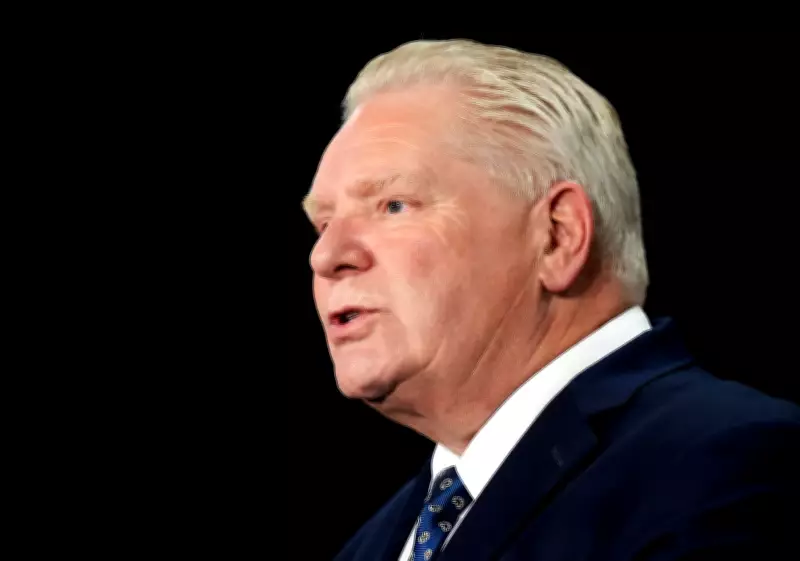
Ontario Premier Doug Ford Reverses Course on Government Aircraft Purchase
In a significant policy shift, Ontario Premier Doug Ford has announced the government will not proceed with a previously planned purchase of a new aircraft for official use. Instead, the Premier has directed officials to seek a buyer for the existing government plane, marking a reversal from earlier intentions that had drawn public and political attention.
Decision Comes Amid Fiscal Scrutiny
The move to back away from the aircraft acquisition reflects growing sensitivity around government expenditures in Ontario. Premier Ford, who has often positioned himself as a steward of taxpayer dollars, cited the need for prudent fiscal management as a key factor in the decision. "We are constantly evaluating how best to allocate resources to serve the people of Ontario," a statement from the Premier's office noted, emphasizing a commitment to cost-effective governance.
This development follows broader debates over provincial spending priorities, with critics questioning the necessity of such purchases during times of economic uncertainty. The government's pivot to selling the aircraft suggests a strategic response to these concerns, aiming to demonstrate fiscal responsibility while addressing operational needs through alternative means.

Implications for Government Operations
The decision to sell the government plane raises questions about how official travel and logistics will be managed moving forward. Options under consideration include:
- Utilizing commercial flights for most travel requirements
- Leasing aircraft on an as-needed basis for specific missions
- Coordinating with federal resources for joint initiatives
Government officials have indicated that the sale process will be conducted transparently, with proceeds directed toward general revenue or specific public service initiatives. This approach aligns with Ford's broader agenda of streamlining government operations and reducing unnecessary expenditures.
Political and Public Reaction
Reactions to the announcement have been mixed, with supporters praising the Premier's responsiveness to public sentiment, while opponents view it as a reactive measure rather than proactive policy. The issue has sparked discussions on the balance between efficient governance and symbolic gestures in political decision-making.
As Ontario navigates complex economic challenges, this move underscores the ongoing tension between maintaining functional government infrastructure and demonstrating fiscal restraint to taxpayers. The outcome of the aircraft sale and its impact on future travel policies will likely continue to be a point of observation in provincial politics.