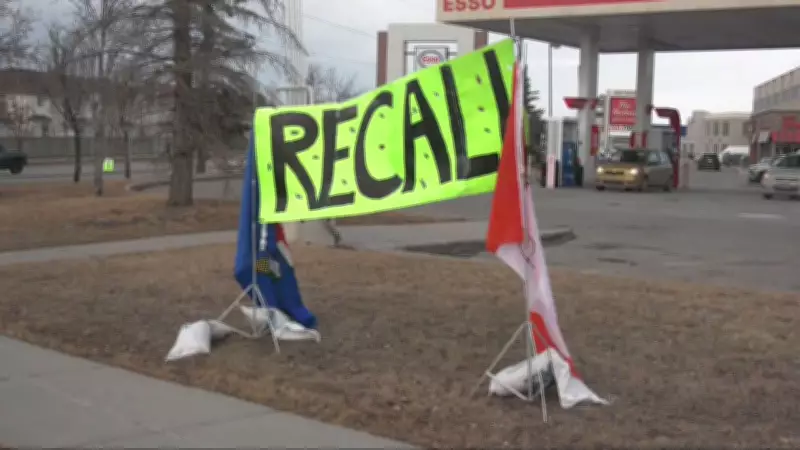
In a decisive development for Alberta's political scene, provincial officials have confirmed that precisely half of the recall petitions launched against members of the governing caucus have failed to meet the necessary thresholds. This announcement follows a province-wide day of recall activities held on Saturday, which saw organized efforts by constituents seeking to unseat their elected representatives.
The Outcome of Recall Efforts
The recall petitions, a mechanism allowing voters to attempt to remove sitting MLAs before the next general election, required a substantial number of signatures from eligible voters within specific constituencies. According to the latest verification, 50% of these petitions did not gather the required support, effectively halting the removal process for those targeted caucus members. This result underscores the challenges inherent in mobilizing sufficient public backing for such direct democratic actions.
Context and Implications
The provincial day of recall was a coordinated event that highlighted growing political tensions and public engagement in Alberta. Proponents of the recall argued it was a necessary tool for holding politicians accountable, particularly in light of recent policy decisions and legislative changes. However, the failure of half the petitions suggests mixed public sentiment, with many constituents either supporting their representatives or remaining unconvinced by the recall campaigns.

Political analysts note that this outcome may reinforce the stability of the current governing caucus, as surviving these petitions could bolster their mandate. Conversely, it may also signal to opposition groups that grassroots mobilization requires more sustained effort and broader appeal to succeed. The recall process itself, governed by provincial legislation, sets a high bar to prevent frivolous attempts, which likely contributed to the high failure rate.
Broader Political Landscape
This news comes amid a flurry of other provincial and national stories, but it stands out for its direct impact on Alberta's governance. Recall mechanisms are relatively rare in Canadian politics, making this event a notable test of their practicality and public reception. The results could influence future recall initiatives not only in Alberta but in other jurisdictions considering similar measures.
As the dust settles on the recall day, attention now turns to how the governing caucus will respond. Some members may see this as an opportunity to reconnect with their constituents, addressing any underlying concerns that fueled the recall attempts. Others might interpret the failed petitions as a vote of confidence, potentially shaping their legislative priorities moving forward.
In summary, the confirmation that half of the recall petitions have failed marks a critical juncture in Alberta's political dynamics. It reflects the complexities of direct democracy in action and sets the stage for ongoing debates about representation and accountability in the province.